The short version
- The classic sign is heel pain with your first steps in the morning or after sitting that eases as you walk.
- AAOS reports that more than 90% of people improve within 10 months of starting simple treatments.
- Calf and plantar fascia stretching, manual therapy and taping are core treatments in the physical therapy guideline.
- For chronic cases, systematic reviews suggest shockwave therapy can reduce pain over the medium and long term.
- Heel spurs on X-ray are common in people without heel pain, so a spur alone does not explain your symptoms.
What is plantar fasciitis?
Plantar fasciitis is irritation of the plantar fascia, a thick band of tissue that runs along the bottom of your foot from the heel bone to the toes. It supports your arch and absorbs force every time your foot strikes the ground.
When that band is overloaded faster than it can adapt, it becomes painful where it attaches to the heel. Although the name suggests inflammation, long-lasting cases often involve tissue breakdown more than swelling. That is one reason rest alone rarely solves it.
What causes it?
Plantar fasciitis usually comes from load that rises faster than your tissues can keep up. AAOS and MedlinePlus list these common factors:
- A sudden jump in running, walking or standing, especially on hard surfaces
- Tight calf muscles or a tight Achilles tendon
- Flat feet or high arches
- Shoes with poor support, or switching shoes suddenly
- Extra body weight or recent weight gain
- Age, with most cases between 40 and 60
In Dallas, it often shows up in runners adding miles on the Katy Trail, teachers and nurses who stand on hard floors all day, and anyone who spends a summer in flat sandals.
Are heel spurs the cause?
Usually not. MedlinePlus notes that heel spurs show up on X-rays in people with and without plantar fasciitis. A spur on an X-ray does not explain the pain on its own, and it rarely changes treatment.
What are the symptoms?
The hallmark is sharp pain at the bottom of the heel with your first steps in the morning or after sitting for a while. It often eases after a few minutes of walking, then returns after long periods of standing or after activity. AAOS notes pain is usually worse after exercise than during it.
How do we evaluate heel pain?
We start with your history: your job, footwear, training changes and when the pain is worst. The exam checks where it is tender, calf and ankle flexibility, foot strength, arch shape, and how you walk and balance. We also screen the lower back and nerves, since a pinched nerve can cause heel and foot symptoms.
X-rays are taken when a stress fracture, arthritis or another bone problem is a concern. Most people with typical plantar fasciitis do not need imaging to start care.
What treatments help plantar fasciitis?
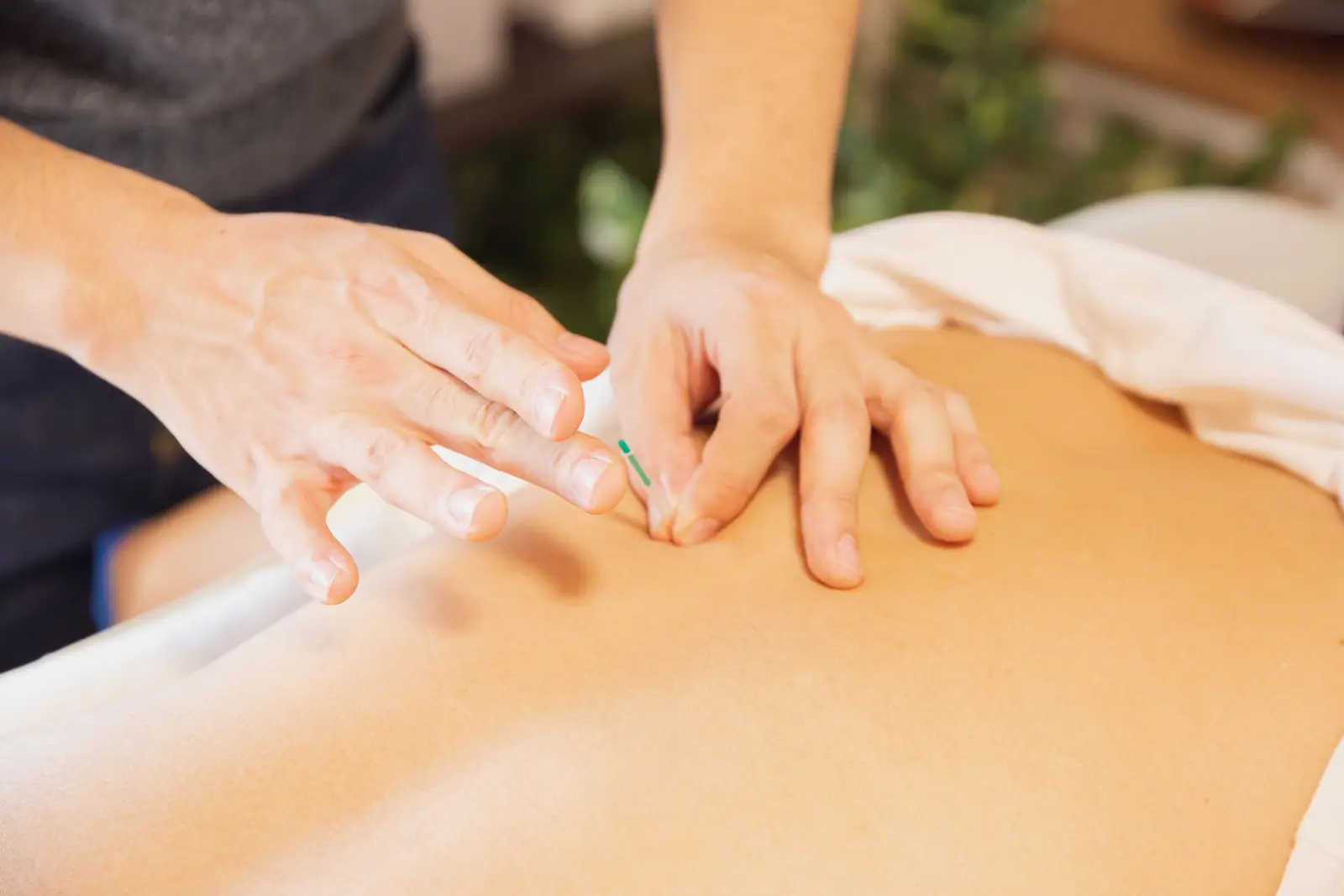
Most people get better with simple treatments, though it takes patience. The 2023 physical therapy guideline published in JOSPT gives top-grade recommendations to manual therapy, stretching of the plantar fascia and calf, and taping. It also supports dry needling. Results vary.
| Treatment | What the evidence shows |
|---|---|
| Stretching and strengthening (physical rehab) | Strong support; the foundation of care |
| Manual therapy and taping | Strong support in the 2023 guideline |
| Shockwave therapy | Systematic reviews suggest less pain and better function in chronic cases; AAOS calls results mixed |
| Dry needling | Supported by the 2023 guideline for calf and foot trigger points |
| Soft tissue scraping | Limited research; used with stretching |
| Laser therapy | Short-term pain relief in pooled studies; study quality varies |
What does the shockwave research say?
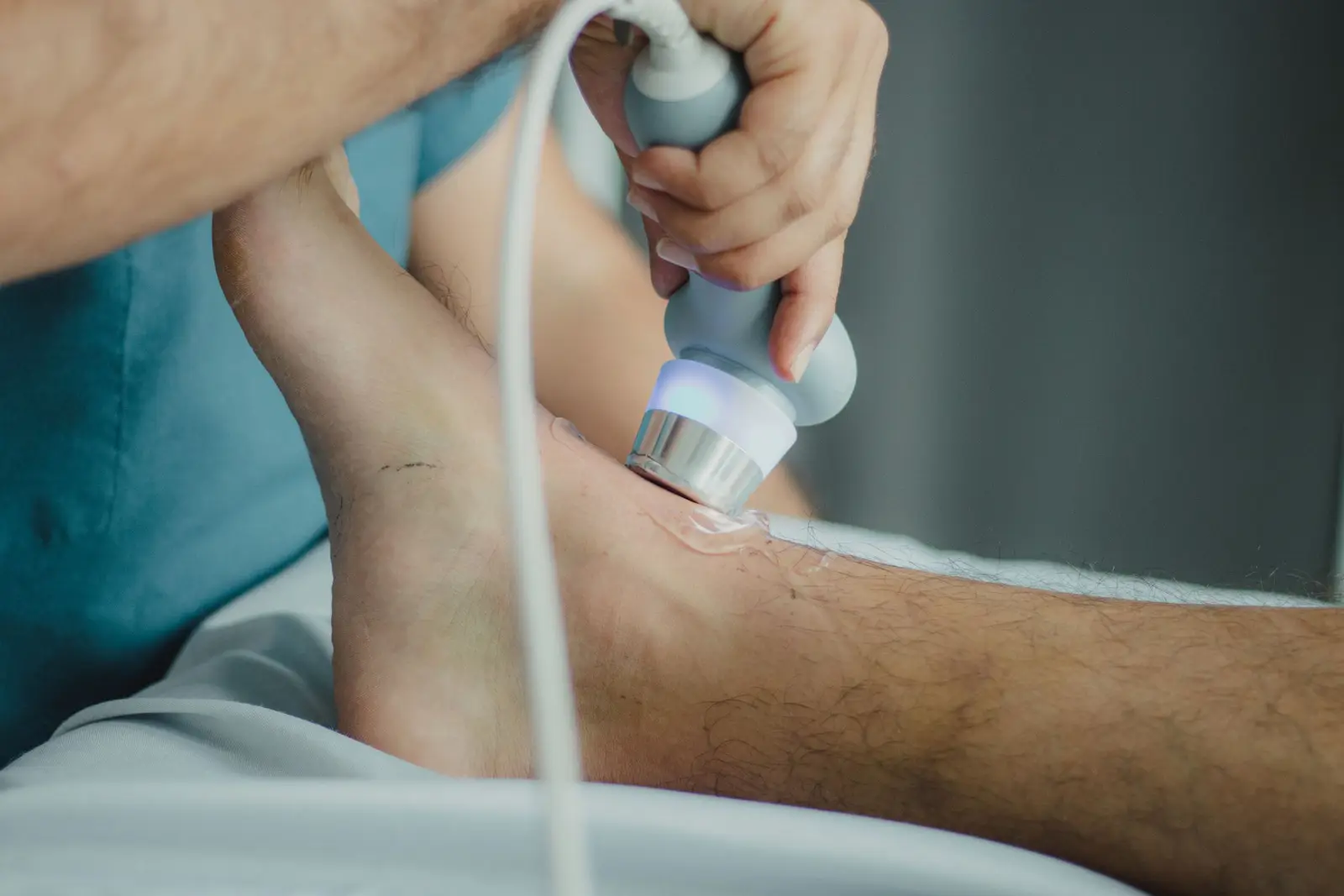
Shockwave therapy sends sound wave pulses into the painful tissue. A 2022 review of 11 randomized trials found moderate evidence for less pain and better foot function in chronic plantar fasciitis. A 2023 meta-analysis of many treatments found shockwave was the only one that beat control for pain over the medium and long term.
Shockwave is usually considered when heel pain has lasted several months despite stretching and footwear changes. It is not for everyone. People who are pregnant, have a bleeding disorder or take blood thinners, or have an infection or tumor in the area should not receive it. See our shockwave therapy page for more detail.
What can you do at home?
- Stretch your calf and arch several times a day, especially before your first steps in the morning.
- Wear supportive shoes at home and avoid going barefoot on hard floors for now.
- Ice the heel for 10 to 15 minutes after activity. Rolling your arch over a frozen water bottle works well.
- Swap high-impact exercise for cycling or swimming for a few weeks.
- Try heel pads or over-the-counter inserts. AAOS also lists night splints, which keep the fascia gently stretched while you sleep.
When should you see a foot surgeon or go to the ER?
Go to the ER or urgent care for a suspected fracture, a hot, red foot with fever, or a foot wound if you have diabetes. AAOS reports that surgery is generally considered only after about 12 months of consistent nonsurgical care without improvement.
If knee or hip problems are changing how you walk, see our pages on knee pain and sports injuries.
When to see a doctor or go to the ER instead
- Heel or foot pain after a fall or jump with swelling and trouble bearing weight needs evaluation for a fracture.
- A sudden pop and sharp pain in the arch or back of the heel can mean a tendon or fascia rupture and needs prompt medical care.
- A red, hot, swollen foot with fever, or any foot wound in someone with diabetes, needs same-day medical care.
- Burning, numbness or tingling across the sole or toes may be a nerve problem rather than plantar fasciitis and should be checked by a physician.
If you think you are having a medical emergency, call 911.
How we treat it
Frequently asked questions
It varies. MedlinePlus reports most people improve within 6 to 18 months, and AAOS reports that more than 90% improve within 10 months of starting simple treatments. Starting stretching and load changes early, and sticking with them, tends to shorten the course. Results vary from person to person.
Research is fairly encouraging for chronic cases. A 2023 meta-analysis found shockwave was the only treatment studied that improved pain compared with control over the medium and long term. Studies vary in methods and quality, and AAOS describes results as mixed, so we use it alongside stretching and strengthening for heel pain that has not responded to basics.
Usually not at first. Plantar fasciitis is mostly diagnosed from your history and exam. X-rays may help if a stress fracture, arthritis or another bone problem is suspected, or if pain is not improving. A heel spur on X-ray is common in people without pain, so it does not change treatment by itself.
Many runners can keep some running if pain stays mild and settles by the next morning. Cut mileage and speed work, avoid hills, and add cycling or swimming. If morning pain is getting worse week to week, take a larger break from running while you work on calf strength and stretching.
Sources
- AAOS OrthoInfo: Plantar fasciitis and bone spurs (opens in a new tab)
- MedlinePlus: Plantar fasciitis (opens in a new tab)
- Koc et al., Heel Pain: Plantar Fasciitis, Revision 2023 (JOSPT guideline, PubMed) (opens in a new tab)
- Guimaraes et al., Effects of therapeutic interventions on pain due to plantar fasciitis (Clin Rehabil, 2023) (opens in a new tab)
- Melese et al., Shock wave therapy for chronic plantar fasciitis: systematic review (Disabil Rehabil, 2022) (opens in a new tab)

This page is general education, not medical advice. It cannot replace an exam. Results from any treatment vary from person to person.