The short version
- Disc wear is a normal part of aging and shows up on most scans of older adults, with or without pain.
- Pain from disc wear often comes and goes and may worsen with sitting, bending or lifting.
- Movement, strength and a healthy weight are the foundation of care.
- New weakness, numbness in the groin or loss of bladder control needs urgent medical care.
What is degenerative disc disease?
Degenerative disc disease is a name for age-related wear in the discs between your vertebrae. Despite the word "disease," it is not an illness. Everyone's discs change over time. The term is used when those changes are thought to be part of the reason for your pain.
Each disc has a tough outer ring and a softer center. With age, discs lose water, get thinner and become less flexible. Small tears can form in the outer ring. These changes can happen in the neck or the low back.
Why do discs wear down?
Aging is the main driver. Other factors can speed up wear or make it more likely to hurt:
- Earlier back injuries, including car accidents or sports injuries
- Repeated heavy lifting, bending or twisting at work
- Extra body weight, which adds load to the lower discs
- Smoking, which reduces blood flow and nutrition to the discs
- Family history
Disc wear can lead to other conditions. A weakened disc may bulge or herniate (see herniated disc). Thinner discs and bone spurs can narrow the spaces for nerves, a condition called spinal stenosis.
What are the symptoms of degenerative disc disease?
Many people with disc wear have no symptoms at all. When it does hurt, the most common symptom is low back or neck pain that:
- Comes and goes, with flare-ups lasting days to weeks
- Gets worse with sitting, bending or lifting
- Eases with walking or changing positions
- Spreads into the buttocks, or into the shoulders if the neck is involved
If a nerve is pinched, you may also feel numbness, tingling or weakness in an arm or leg.
Why a scan can look worse than you feel
Imaging changes are very common in people without pain. A 2015 review of more than 3,000 pain-free adults found disc degeneration in 37 percent of 20-year-olds and 96 percent of 80-year-olds. The authors concluded that many of these findings are part of normal aging. Your exam and symptoms matter as much as the picture.
How do we evaluate disc-related pain at our clinic?
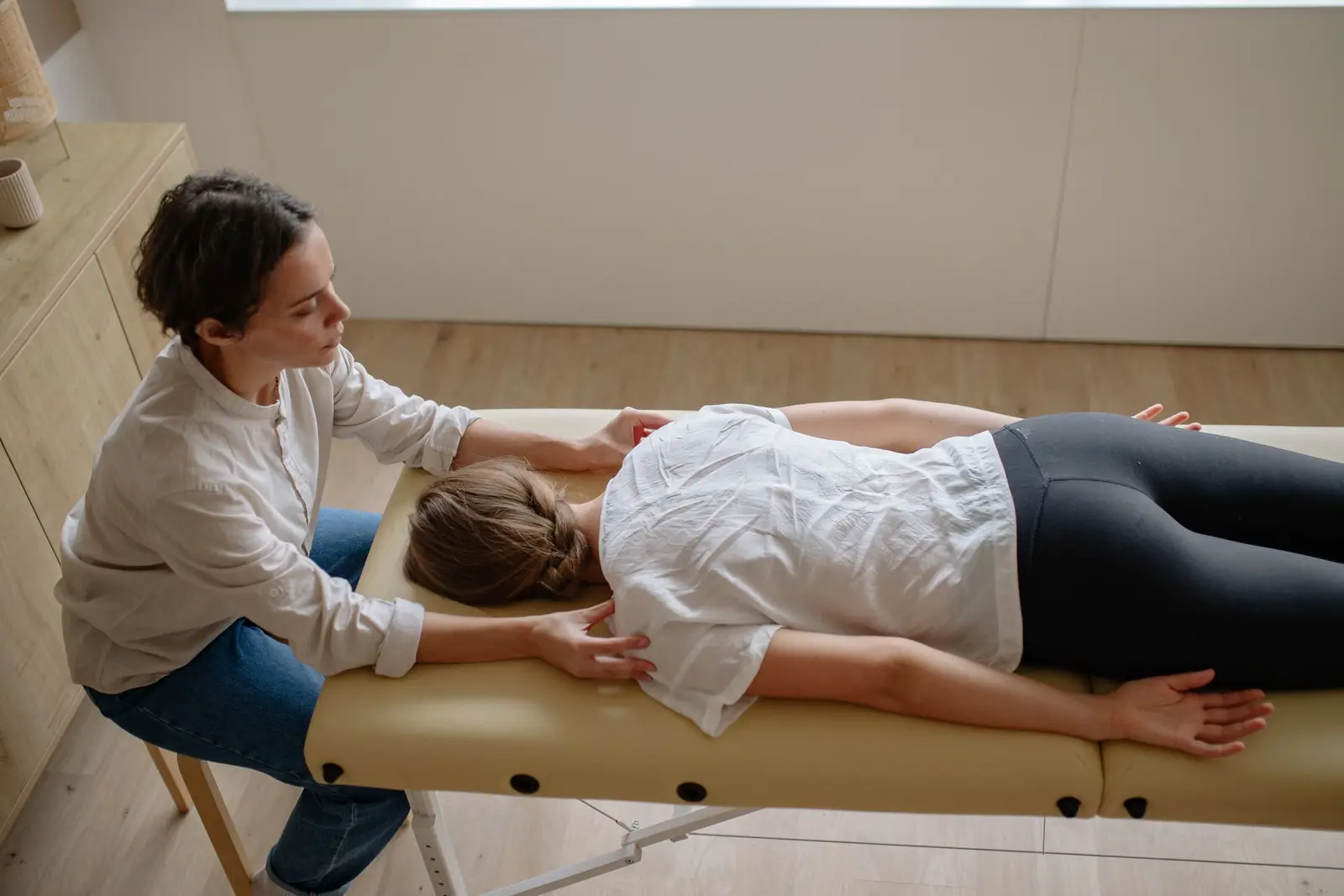
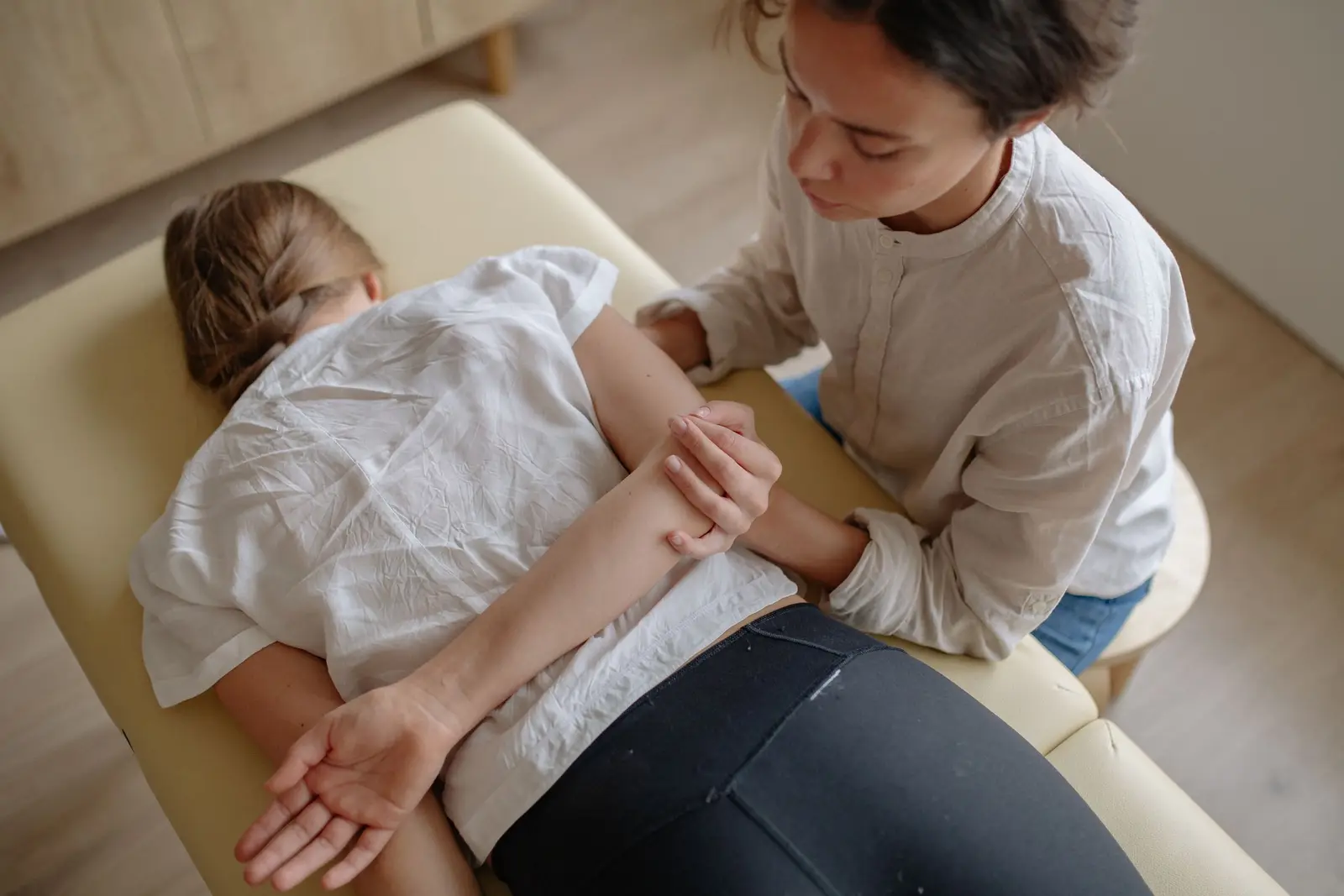
Your visit starts with a history of your pain, work, activity and goals. The physical exam looks at how your spine moves, which motions provoke pain, and how your nerves are working through strength, reflex and sensation tests.
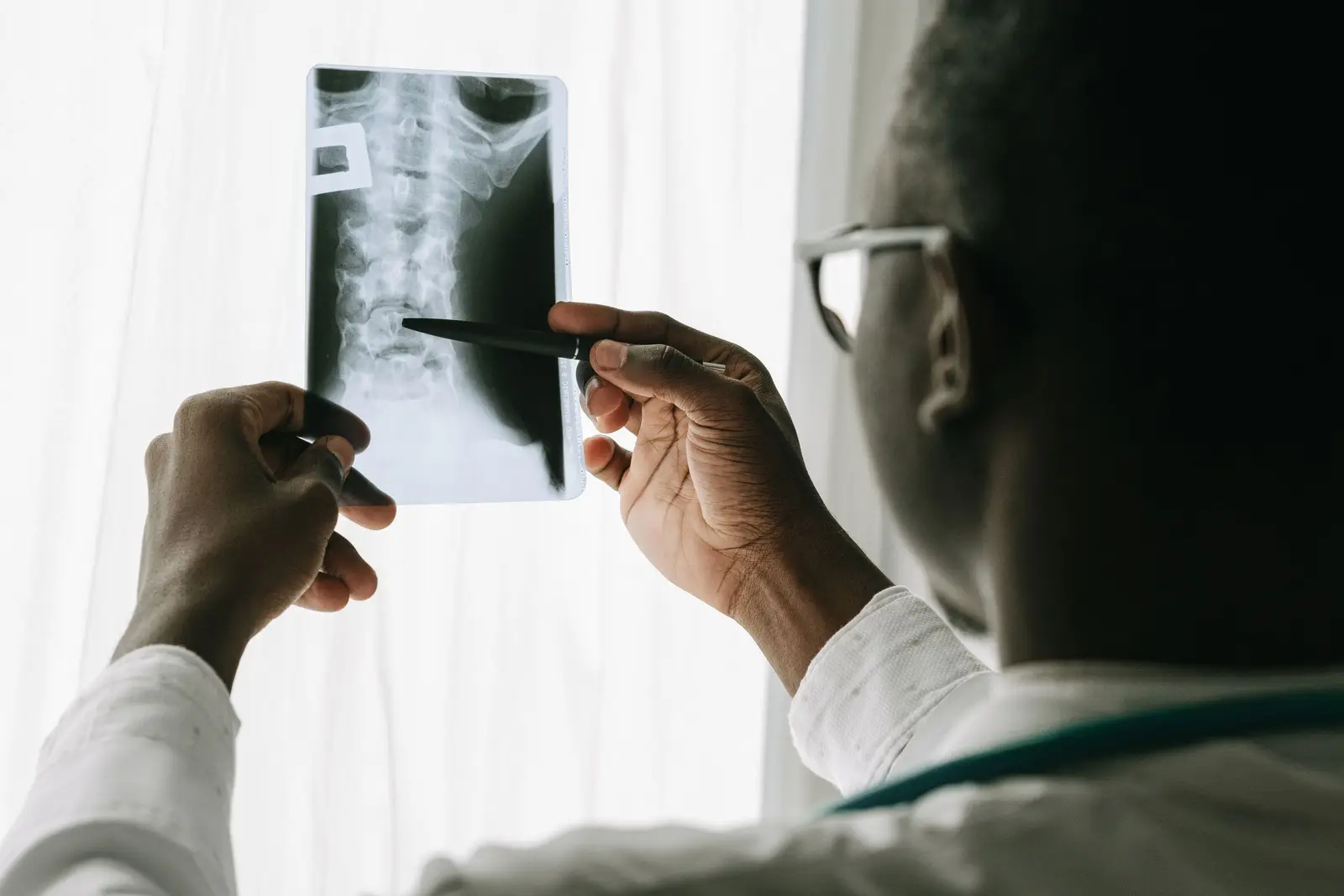
X-rays are taken if they are needed. They can show disc height, bone spurs and alignment. You can read more in why chiropractors take X-rays. If nerve symptoms are significant, a physician may order an MRI.
Which treatments can help?
Care for disc wear focuses on reducing pain, restoring motion and building strength. Results vary, and no treatment reverses disc aging.
| Treatment | Goal |
|---|---|
| Physical rehab | Build core and hip strength to share the load with the discs |
| Chiropractic adjustments | Restore motion in stiff spinal joints |
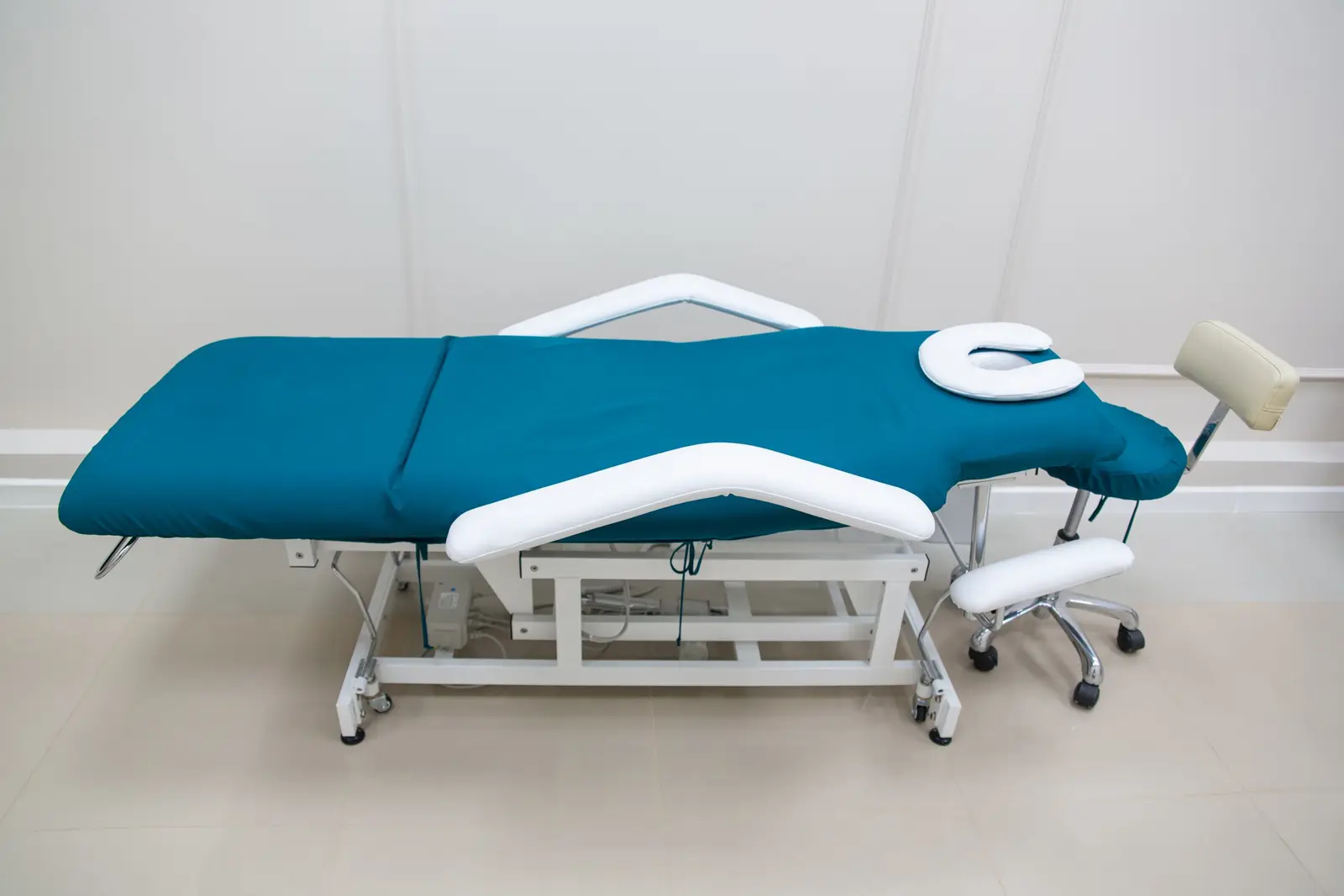
| Spinal decompression | Gentle motorized traction for disc-related low back pain |
| Medical massage | Ease muscle guarding and spasm around the spine |
What does the evidence say?
For chronic low back pain, the American College of Physicians recommends starting with nondrug options such as exercise, rehabilitation and spinal manipulation. These have low to moderate quality evidence of benefit. Research on traction is less encouraging: a Cochrane review found little or no effect for low back pain. We explain these trade-offs so you can decide, and our spinal decompression vs. surgery guide goes deeper.
For some patients carrying extra weight, our clinic's medical weight loss program, run by Dr. Hector Molina, MD, may be part of the bigger picture.
What can I do at home?
- Walk daily. Regular movement helps discs and the muscles around them.
- Break up sitting every 30 to 45 minutes, whether at a desk in Oak Lawn or behind the wheel.
- Practice the core and hip exercises from your plan several times a week.
- Use heat for stiffness and ice after a flare-up.
- If you smoke, ask a physician for help quitting; it affects disc health.
When to see a doctor or go to the ER instead
- Loss of bladder or bowel control, or numbness in the groin or inner thighs, needs emergency care.
- Weakness in an arm or leg that is getting worse needs prompt evaluation by a physician.
- Back or neck pain with fever, a history of cancer, or weight loss you cannot explain needs a physician's workup.
- Pain after a fall or injury, especially if you have osteoporosis, needs imaging to rule out a fracture.
If you think you are having a medical emergency, call 911.
How we treat it
Frequently asked questions
Disc changes usually progress slowly with age, but pain does not always follow the same path. Many people have long stretches with little or no pain, and flare-ups often settle. Staying active, keeping your core and hips strong, and managing body weight can help you stay functional.
They are related but not the same. Degenerative disc disease describes wear in the discs between the vertebrae. Arthritis usually refers to wear in the joints, including the small facet joints at the back of the spine. The two often appear together, and both are common with age.
Chiropractic care cannot reverse disc aging. It may help reduce pain and improve how you move, especially when combined with exercise. Some people with disc-related low back pain also try spinal decompression. Results vary, and we tell you honestly if your situation needs a physician or specialist instead.
Usually not. Discs depend on movement for nutrition, and inactivity tends to make stiffness and pain worse. The right exercise depends on your symptoms, so we start with movements you tolerate and build from there. Avoiding heavy lifting during a flare-up is reasonable.
Sources
- Cleveland Clinic: Degenerative disk disease (opens in a new tab)
- AJNR: Imaging features of spinal degeneration in people without pain (2015) (opens in a new tab)
- ACP: Noninvasive treatments for acute, subacute and chronic low back pain (2017 guideline) (opens in a new tab)
- NIAMS: Spinal stenosis (opens in a new tab)
- Cochrane: Traction for low back pain with or without sciatica (opens in a new tab)

This page is general education, not medical advice. It cannot replace an exam. Results from any treatment vary from person to person.