The short version
- Most people with a herniated disc in the low back feel better within weeks to months without surgery, according to AAOS.
- In a major trial, early surgery for sciatica relieved leg pain faster, but one-year outcomes were similar to prolonged conservative care.
- A Cochrane review found low-quality evidence that traction has little or no effect on back pain; research specific to decompression tables is limited.
- Cauda equina syndrome and progressive weakness need urgent surgical evaluation, not a trial of conservative care.
- Our decompression protocol is about 20 to 30 minutes per session, a few times a week, typically for 8 to 12 weeks.
Is spinal decompression a good alternative to back surgery?
For many people with a herniated disc or sciatica and no serious nerve loss, a conservative plan is a reasonable first step, and nonsurgical spinal decompression is one option within it. But the research on decompression is limited, and surgery is clearly better in some situations. The honest answer depends on your symptoms and how they change over time.
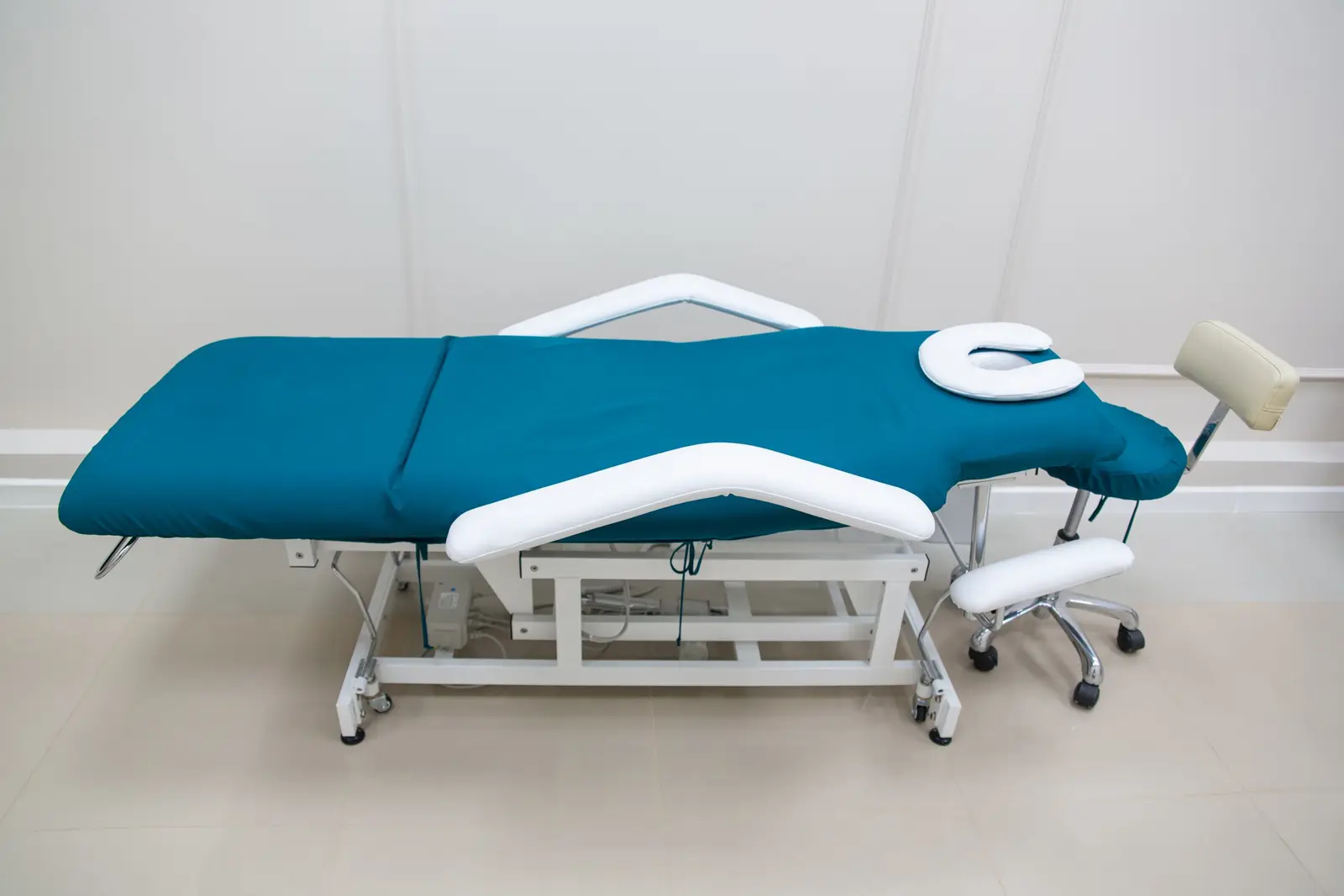
Nonsurgical spinal decompression uses a motorized table to gently pull and release the spine in cycles. The goal is to reduce pressure on discs and nerves. It is a form of traction, which means stretching the spine with a pulling force.
What does the evidence say about decompression?
The evidence is limited. A 2013 Cochrane review of 32 trials found low-quality evidence that traction, alone or combined with other treatments, has little or no effect on pain or function for low back pain with or without sciatica. The reviewers noted the studies were small and many had a high risk of bias.
Motorized decompression tables are newer and more controlled than the traction studied in many older trials. However, high-quality trials of these specific devices are scarce, so their benefit is not well established. Some people report relief, but we cannot promise a result. Side effects reported in traction trials include increased pain and, less often, worsening nerve symptoms, so progress should be watched closely.
What does the evidence say about surgery?
Surgery has stronger evidence in specific situations. In a 2007 trial in the New England Journal of Medicine, 283 people with severe sciatica for 6 to 12 weeks were assigned to early surgery or prolonged conservative care. Early surgery relieved leg pain faster. After one year, though, disability scores were similar, and about 95% of people in both groups reported recovery. In the conservative group, 39% eventually had surgery.
For spinal stenosis with a slipped vertebra (degenerative spondylolisthesis), the SPORT study found that people who had surgery improved substantially more in pain and function over two years than those treated without surgery, in an analysis by treatment received.
| Nonsurgical decompression | Surgery (such as microdiscectomy) | |
|---|---|---|
| What it does | Cycles of gentle traction on a motorized table | Removes disc material or bone pressing on a nerve |
| Strength of evidence | Limited; traction overall shows little effect in reviews | Randomized trials show faster leg pain relief for disc herniation and better results for some stenosis |
| Speed of relief | Gradual, over weeks | Often faster for leg pain |
| Recovery time | No downtime | Weeks of recovery |
| Main risks | Temporary soreness; increased pain or nerve symptoms in some | Infection, bleeding, nerve injury, anesthesia risks, recurrence |
| Best fit | Disc bulge or herniation, sciatica or stenosis without worsening nerve loss | Cauda equina, progressive weakness, or severe pain that does not respond to conservative care |
When is surgery the right call?
Surgery is the right call, and often an urgent one, in a few situations. The American Association of Neurological Surgeons says cauda equina syndrome usually needs urgent or emergency surgery, and treatment within 48 hours of onset gives the best chance of recovery.
AAOS also recommends considering surgery sooner when you have muscle weakness, trouble walking or bladder or bowel changes. For pain alone, surgery is typically recommended only after nonsurgical treatment has not relieved symptoms. If you have tried a fair course of conservative care and still cannot work, sleep or walk comfortably, a surgical opinion is reasonable.
Who is a candidate for decompression?
Decompression may be worth considering if you have a herniated disc, a disc bulge, sciatica from the low back, chronic low back pain or spinal stenosis, and no warning signs. AAOS notes that most people with a herniated disc in the lower back feel better within a few weeks or months without surgery, so a conservative trial makes sense for many.
Decompression is generally not used for people with fractures, tumors, spinal infection, severe osteoporosis, pregnancy or spinal fusion hardware.
What other options sit between decompression and surgery?
Conservative care is not one treatment. A plan may include adjustments, exercise and rehab, activity changes, and medication guidance. When pain stays high, epidural steroid injections are another step before surgery for some people.
At our clinic, injections are provided by our physician, Dr. Hector Molina, MD, not by the chiropractor. Learn more on our medical pain management page and our page on degenerative disc disease.
How do you decide?
Start with the warning signs. If you have any of them, see a surgeon or go to the ER. If not, a time-limited conservative trial with clear check-in points is a sensible approach. If you are not improving as expected, or your symptoms are getting worse, a surgical consultation should be the next step rather than more of the same.
Frequently asked questions
No head-to-head trials have compared modern decompression tables with surgery, so no one can say they are equal. Surgery has stronger evidence for fast relief of leg pain from a herniated disc. Decompression is a conservative option some people try first, with limited research behind it. Because many disc herniations improve with time and conservative care, trying a nonsurgical plan first is reasonable when there are no warning signs.
Surgery is urgent for cauda equina syndrome, which causes loss of bladder or bowel control, numbness in the groin or inner thighs, and leg weakness. It is also recommended sooner when weakness is getting worse or walking becomes difficult. For pain alone, surgery is usually considered after a period of nonsurgical treatment has not helped, and the timing is a personal decision made with a spine surgeon.
Decompression is generally not used for people with fractures, spinal tumors or infection, severe osteoporosis, pregnancy, or metal hardware from a previous spinal fusion. It is also not a substitute for emergency care when nerve symptoms are worsening. A history, exam and imaging review before starting help decide whether you are a candidate.
At our clinic, decompression sessions last about 20 to 30 minutes and are scheduled a few times a week, typically for 8 to 12 weeks. Any benefit tends to build over the course of care rather than after one visit. Results vary from person to person, and progress should be re-checked during the plan so it can change if you are not responding.
It depends on the surgery. People with metal hardware or a fusion are usually not candidates for traction-based treatment at the operated level. Others who had a procedure such as a discectomy years ago may be evaluated case by case. Bring your surgical records to your first visit so the treating clinician can review them.
Sources
- Wegner I, et al. Traction for low-back pain with or without sciatica, Cochrane Database of Systematic Reviews, 2013 (opens in a new tab)
- Peul WC, et al. Surgery versus prolonged conservative treatment for sciatica, N Engl J Med, 2007 (opens in a new tab)
- Weinstein JN, et al. Surgical versus nonsurgical treatment for lumbar degenerative spondylolisthesis (SPORT), N Engl J Med, 2007 (opens in a new tab)
- AAOS OrthoInfo: Herniated disk in the lower back (opens in a new tab)
- American Association of Neurological Surgeons: Cauda equina syndrome (opens in a new tab)

This page is general education, not medical advice. It cannot replace an exam. Results from any treatment vary from person to person.