The short version
- Stenosis is usually caused by age-related changes such as thickened ligaments, bone spurs and bulging discs.
- Leg symptoms that worsen with standing or walking and ease with sitting or bending forward are typical of lumbar stenosis.
- A 2022 review found moderate-quality evidence that manual therapy plus exercise helps lumbar stenosis.
- Problems with bladder, bowel or balance need prompt medical care.
What is spinal stenosis?
Spinal stenosis is a narrowing of the open spaces inside the spine. When those spaces shrink, they can put pressure on the spinal cord or the nerve roots that branch off it. Stenosis is most common in the low back (lumbar spine) and the neck (cervical spine).
The narrowing can affect the central canal that holds the spinal cord, the side channels where nerves exit, or both. It usually develops slowly, over years.
What causes spinal stenosis?
Age-related changes are the most common cause. Over time, several things can crowd the nerves:
- Ligaments inside the spine thicken and stiffen
- Bone spurs form around arthritic joints
- Discs dry out and bulge (see degenerative disc disease)
- One vertebra slips forward on another, called spondylolisthesis
Less often, stenosis comes from being born with a narrow canal, a past injury, rheumatoid arthritis, or other bone conditions. The chance of developing it rises with age.
What are the symptoms of spinal stenosis?
Symptoms depend on where the narrowing is. Some people with stenosis on imaging have no symptoms.
| Location | Typical symptoms |
|---|---|
| Low back | Low back pain; burning, aching or heaviness in the buttocks and legs; numbness or cramping in the legs that builds with standing or walking |
| Neck | Neck pain; numbness or tingling into the arms and hands; weakness in the hand or fingers; trouble with balance |
A classic sign of lumbar stenosis is leg pain that comes on with walking and eases when you sit or lean forward. Many people notice they can walk farther in a grocery store while leaning on the cart. Leg pain from a pinched nerve can look like sciatica, so a careful exam matters.
How do we evaluate spinal stenosis at our clinic?
We start with a detailed history: how far you can walk, what positions bring relief, and whether your hands, balance or bladder have changed. The exam checks spinal motion, strength, reflexes, sensation and walking.
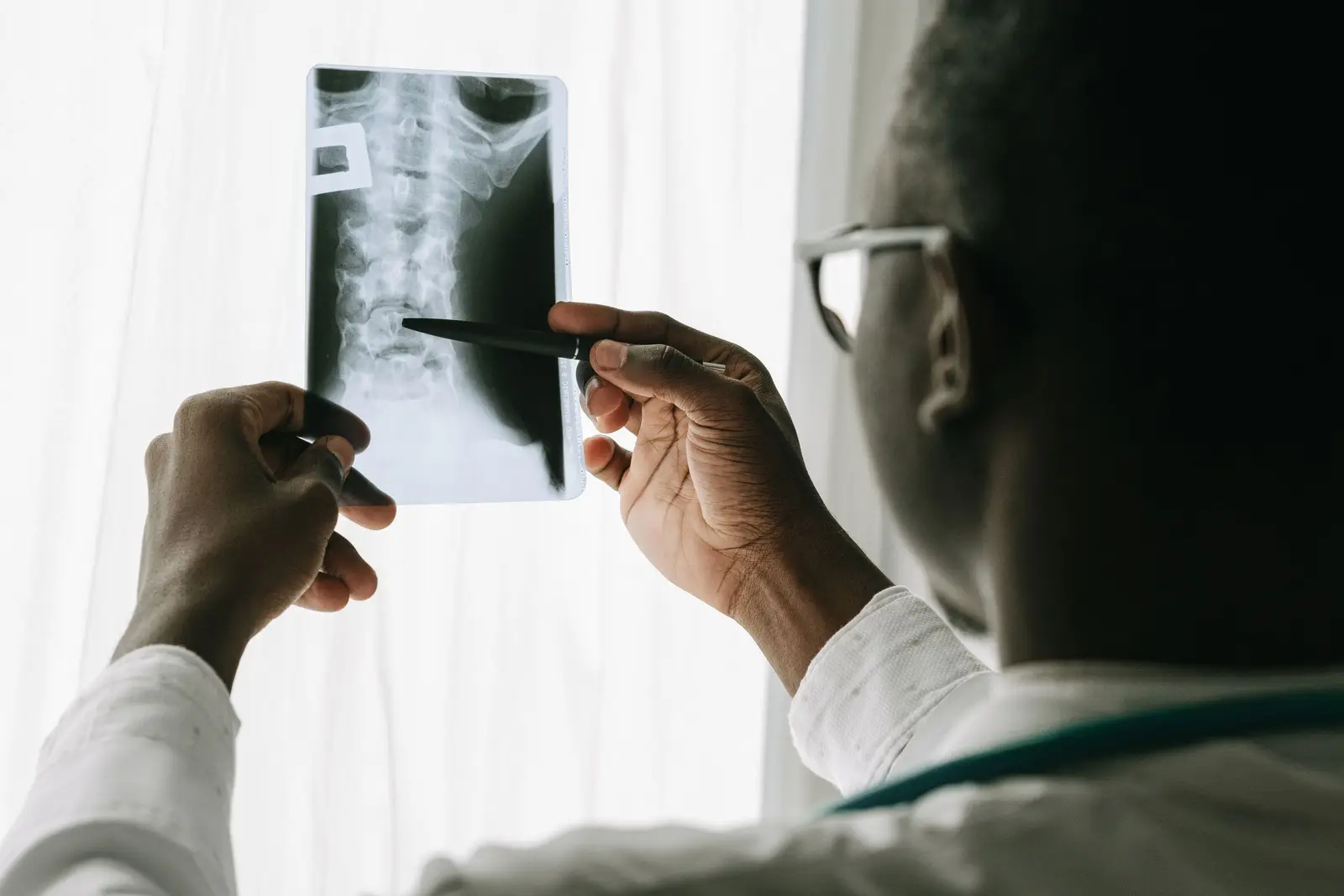
X-rays are taken if they are needed. They show bone spurs, disc height and slippage. X-rays cannot show the nerves, so if your exam suggests significant compression, a physician may order an MRI. We also screen for problems that mimic stenosis, such as hip arthritis or poor circulation in the legs.
Which treatments can help spinal stenosis?
Conservative care aims to ease symptoms and help you walk and stand longer. It does not widen the canal itself, and results vary.
- Physical rehab: flexion-based exercises, core and hip strength, and walking or cycling to build endurance.
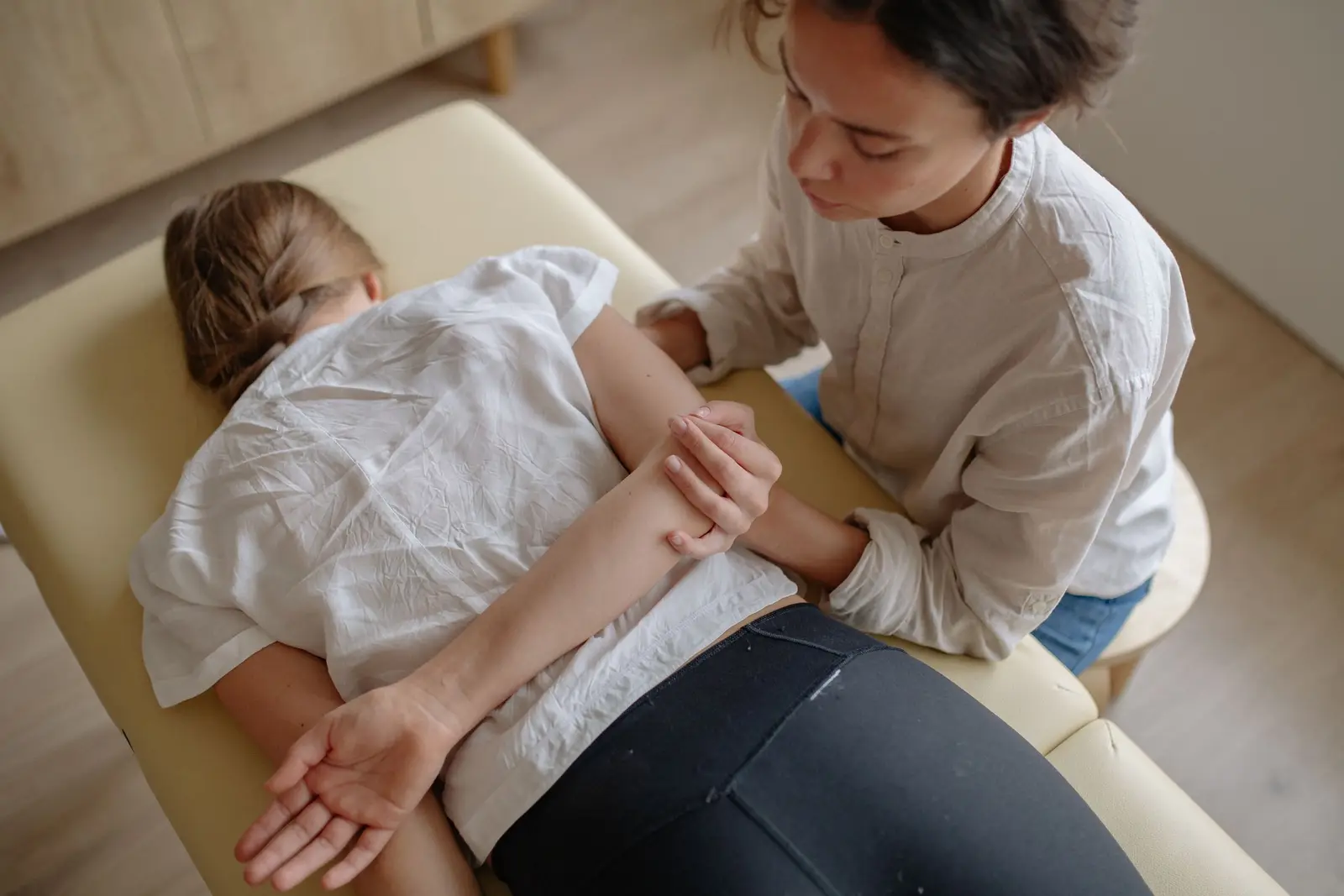
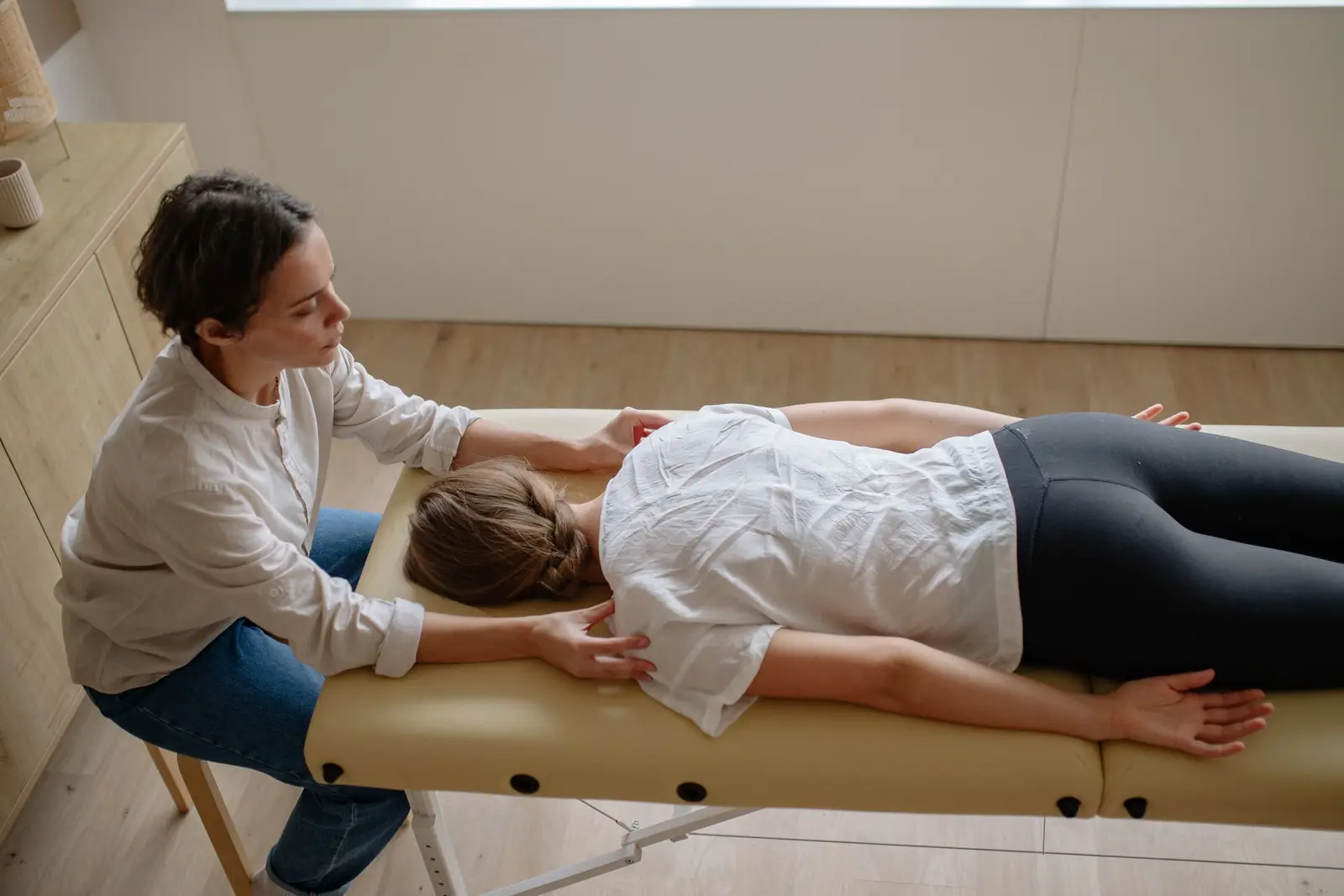
- Chiropractic adjustments: manual therapy to improve motion in the spine and hips.
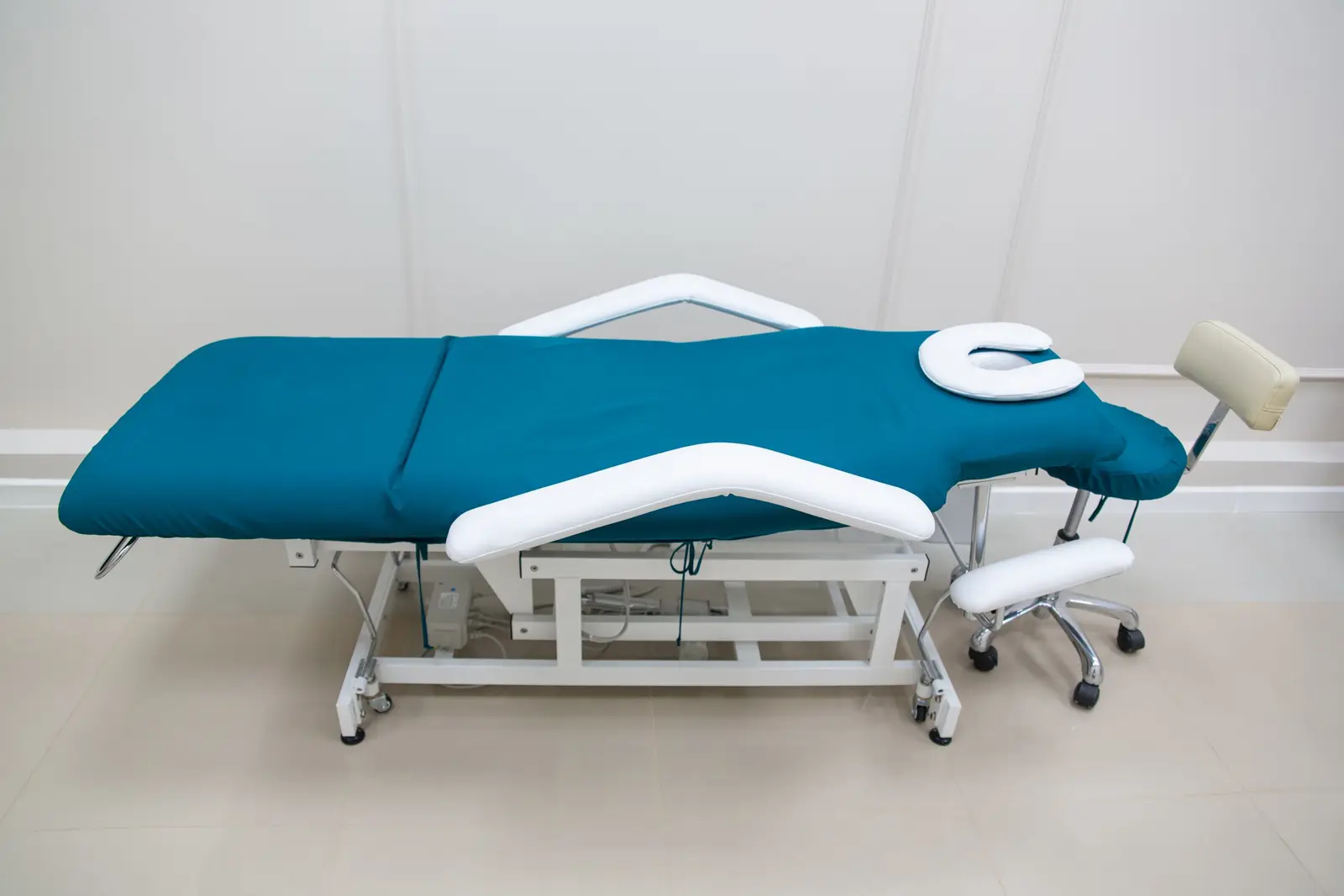
- Spinal decompression: at our clinic, sessions last about 20 to 30 minutes, a few times a week, usually over 8 to 12 weeks.
- Medical pain management: our physician, Dr. Hector Molina, MD, can evaluate whether an injection is appropriate in specific cases.
What does the evidence say?
A 2022 systematic review in BMJ Open looked at nonsurgical care for lumbar stenosis with leg symptoms. It found moderate-quality evidence that a multimodal program of manual therapy and exercise, with or without education, is effective. The same review found epidural steroid injections were not effective for this group, and evidence for other options was too weak to judge.
Evidence for traction alone is limited. A Cochrane review found traction made little or no difference for low back pain in general. Some patients still choose decompression after discussing the evidence, and our guide to spinal decompression vs. surgery can help you compare.
What can I do at home?
- Walk in short bouts and rest by sitting or bending forward when symptoms build.
- Try a stationary bike, which keeps you active in a forward-leaning position.
- Do the core and hip exercises from your plan most days.
- Use a cane or walker if balance is a concern; staying active safely matters.
- Keep a simple log of how far you can walk, so we can measure progress together.
If general low back pain is part of your picture, that page has more self-care tips.
When to see a doctor or go to the ER instead
- Loss of bladder or bowel control, or numbness in the groin or inner thighs, can mean severe nerve compression and needs emergency care.
- Clumsy hands, trouble with buttons or handwriting, or worsening balance can mean pressure on the spinal cord in the neck and needs prompt medical evaluation.
- Leg or arm weakness that is getting worse needs urgent evaluation by a physician.
- Leg pain with walking plus cold, pale feet or weak foot pulses may be a circulation problem and should be checked by a physician.
If you think you are having a medical emergency, call 911.
How we treat it
Frequently asked questions
Bending forward slightly opens up the spaces at the back of the spine, giving the nerves a bit more room. That is why many people with lumbar stenosis feel better leaning on a cart or sitting, and worse standing upright or walking downhill.
Conservative care does not widen the bony canal. It may reduce symptoms by improving how you move, building strength and endurance, and lowering irritation around the nerves. Many people manage stenosis this way. Surgery may be considered when symptoms are severe, keep progressing or limit daily life despite good conservative care.
At our clinic, lumbar stenosis is one of the conditions we may treat on a decompression table. Research on traction for stenosis is limited, and it is not right for everyone, such as people with severe osteoporosis or unstable vertebrae. We review your exam and imaging before recommending it.
Yes. Neck stenosis can press on the spinal cord itself, which may cause clumsy hands, numbness in the arms and trouble with balance. That pattern needs careful medical follow-up and sometimes a surgeon's opinion. Low back stenosis affects nerve roots and more often causes leg pain with walking.
Sources
- NIAMS: Spinal stenosis (opens in a new tab)
- MedlinePlus: Spinal stenosis (opens in a new tab)
- BMJ Open: Non-operative treatment for lumbar spinal stenosis, systematic review (2022) (opens in a new tab)
- Cochrane: Traction for low back pain with or without sciatica (opens in a new tab)
- Cleveland Clinic: Cauda equina syndrome (opens in a new tab)

This page is general education, not medical advice. It cannot replace an exam. Results from any treatment vary from person to person.