The short version
- Manual lymphatic drainage uses slow, gentle skin-stretching strokes, not deep pressure.
- The strongest evidence is as an add-on to compression for lymphedema, and the added benefit is modest.
- It does not detox the body, and claims that it boosts immunity or burns fat are not supported.
- Avoid it with a blood clot, active infection or cellulitis, fever, untreated heart failure or serious kidney disease unless your physician approves.
What is manual lymphatic drainage?
Manual lymphatic drainage, often shortened to MLD, is a very gentle massage that aims to help move lymph fluid out of a swollen area. Lymph is the clear fluid that collects between your cells. Your lymphatic vessels carry it through lymph nodes, which filter it, and then back into your bloodstream.
Most of the time this system works on its own. Muscle movement and breathing push lymph along. When vessels or nodes are damaged, for example after cancer surgery or radiation, fluid can build up. That swelling is called lymphedema.
How is it different from regular massage?
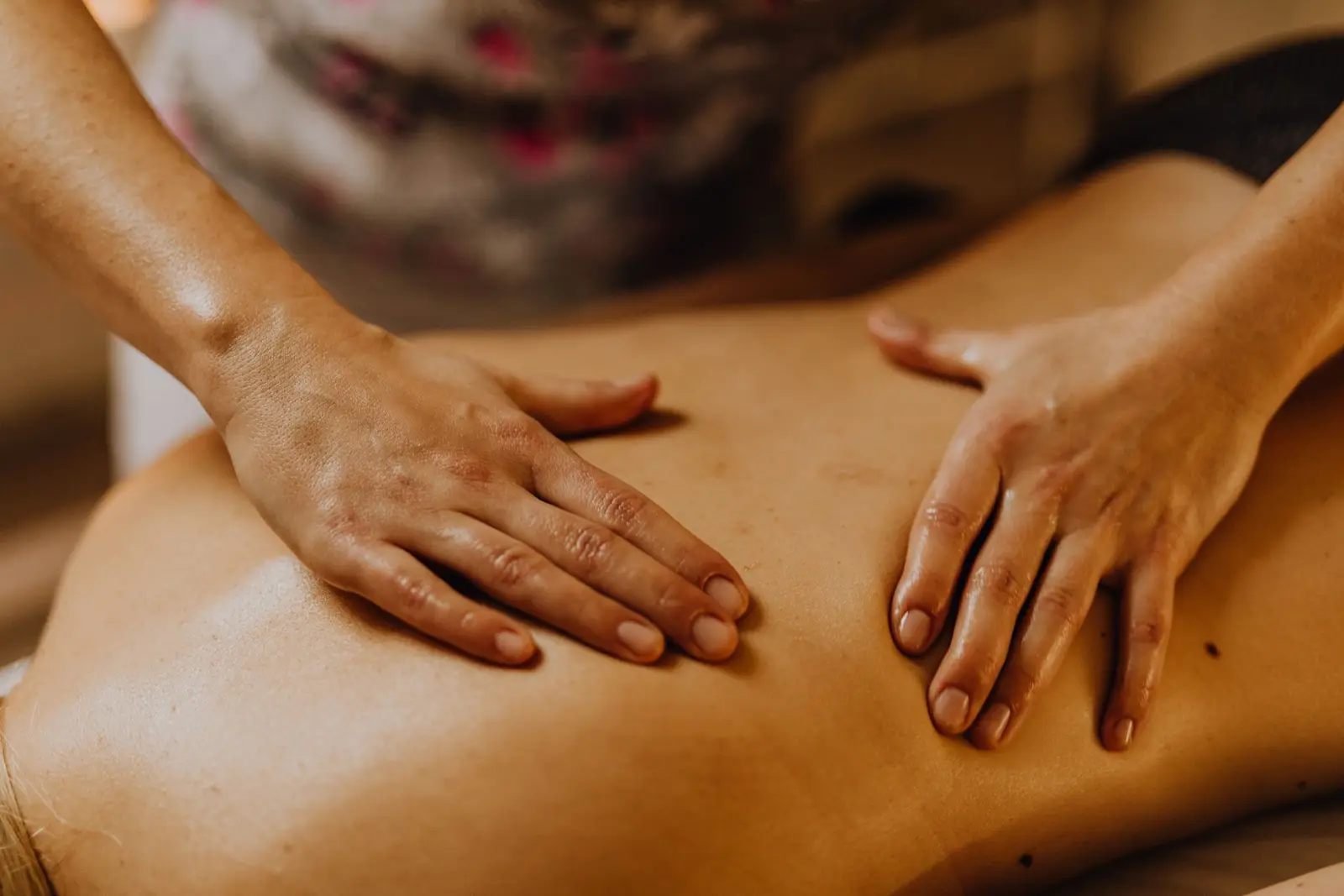
Regular massage presses into muscles. Lymphatic drainage barely presses at all. The therapist uses slow, rhythmic strokes that stretch the skin in a set direction, usually starting near lymph nodes in the neck, armpits or groin and then working outward. The goal is to guide fluid toward areas that drain well.
What does the research show?
The best evidence supports MLD as one part of lymphedema treatment, not as a stand-alone fix. A Cochrane review of trials in breast cancer related lymphedema found that adding MLD to compression bandaging gave a modest extra reduction in swelling. The trials were small, and results with compression sleeves were inconsistent.
| Use | What the evidence shows |
|---|---|
| Lymphedema, as part of combined care | Modest added benefit with compression |
| Swelling after surgery or injury | Limited research, mostly small studies |
| Relaxation and comfort | Many people report it, but this is not well studied |
| Detox, immunity or fat loss | Not supported |
Lymphedema care usually combines several pieces, often called complete decongestive therapy. It includes compression bandages or garments, exercise and skin care, often led by a certified lymphedema therapist. Massage alone is not expected to control lymphedema.
Does lymphatic drainage detox your body?
No. This is the most common claim online, and it is not supported. Your liver and kidneys clear waste. Your lymph system moves fluid and helps your immune system, and it does that without massage when it is working normally.
We describe lymphatic drainage for what it is: a gentle technique that may help move built-up fluid and that many people find relaxing. We do not offer it as a cleanse, a weight loss method or an immune boost.
Who should not have lymphatic drainage?
Some health problems make it unsafe, because moving fluid can strain the heart or kidneys or spread a clot or infection.
If you have lymphedema or a history of cancer treatment, check with your oncology team or lymphedema therapist before booking. They can tell you whether MLD fits your plan and what pressure is safe.
Who provides lymphatic drainage at our clinic?
At our Dallas office, massage services are provided by Neosha Kihm, LMT, our licensed massage therapist with more than 15 years of experience. Her training includes deep tissue work, myofascial release, pregnancy massage and trigger point therapy.
Some people use lymphatic drainage for comfort when swelling lingers after a sprain, a sports injury or a car accident. In those cases we first check that the swelling is not a sign of something that needs a physician, such as a clot or infection.
How does it fit with other care?
Lymphatic drainage pairs well with gentle movement, since muscle activity is what naturally pumps lymph. For muscle tension and pain, medical massage uses firmer techniques. For lasting changes in strength and movement, physical rehab is usually the core of the plan. Pregnant patients often ask about swelling; see our pregnancy chiropractic page for prenatal massage and safety notes.
What should you expect during a session?
You lie comfortably on a massage table, usually on your back. The therapist starts near the neck or collarbone, then works through the target area with slow, light strokes.
- We review your health history and any reasons to avoid the treatment.
- The therapist begins with gentle work near the lymph nodes closest to the area.
- Light, rhythmic strokes move from the nodes outward, then guide fluid back toward them.
- Afterward, you may be advised to drink water as usual, move around and follow any compression plan your care team set.
Most people feel relaxed afterward, and serious side effects are uncommon when the reasons to avoid it are screened first. If swelling increases, or you notice redness, warmth, fever or shortness of breath, contact a physician promptly.
Conditions this is used for
Frequently asked questions
No. Your liver and kidneys clear waste from the body, and a healthy lymphatic system moves fluid on its own when you breathe and use your muscles. There is no good evidence that massage removes toxins. Lymphatic drainage is a tool for moving built-up fluid in specific situations, mainly lymphedema, not a cleanse.
The best-studied group is people with lymphedema, often after cancer surgery or lymph node removal, where it is used with compression bandages or garments, exercise and skin care. Some people also use it for comfort when swelling lingers after an injury or surgery. Your surgeon or physician should agree it is appropriate before you start.
Some surgeons recommend it to help with swelling after procedures like liposuction. Research on that use is limited. Always follow your surgeon's instructions on timing and pressure, and get their clearance first, because massaging fresh incisions or an area with a clot or infection can cause harm.
It feels very light, slow and repetitive. The therapist gently stretches the skin in a set direction instead of kneading the muscles. Many people find it relaxing. Sessions often last somewhere between 30 and 60 minutes, depending on the areas being treated and your goals.
Not exactly. Complete lymphedema care is usually led by a certified lymphedema therapist and includes bandaging, fitted compression, exercise and skin care in addition to massage. If you have diagnosed lymphedema, that team should guide your care. Massage from a licensed massage therapist can be one supportive piece when your care team agrees.
Sources

This page is general education, not medical advice. It cannot replace an exam. Results from any treatment vary from person to person.