The short version
- Acute injuries happen in a moment; overuse injuries build slowly from repeated stress and training spikes.
- Severe swelling, a deformed joint or not being able to put weight on a limb needs urgent medical care.
- Rehab before returning to sport is the step most often skipped and most often regretted.
- Exercise-based rehab has the strongest support; hands-on and device therapies are add-ons that help some people.
What counts as a sports injury?
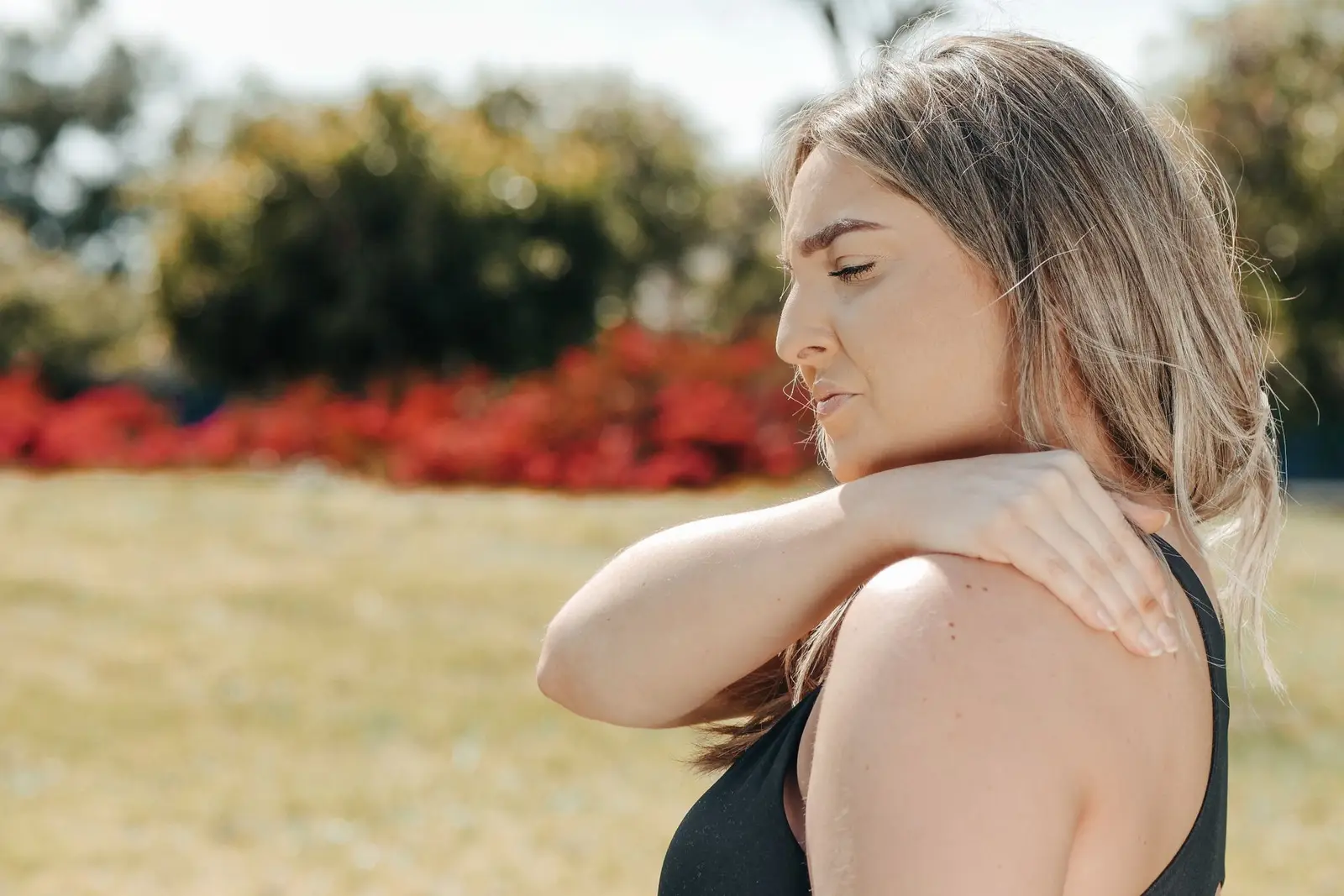
A sports injury is any injury to muscles, tendons, ligaments, joints or bones that happens during exercise or play. The National Institute of Arthritis and Musculoskeletal and Skin Diseases (NIAMS) splits them into two groups. Acute injuries happen suddenly, like an ankle sprain. Chronic injuries come on slowly from repeated stress, like tennis elbow.
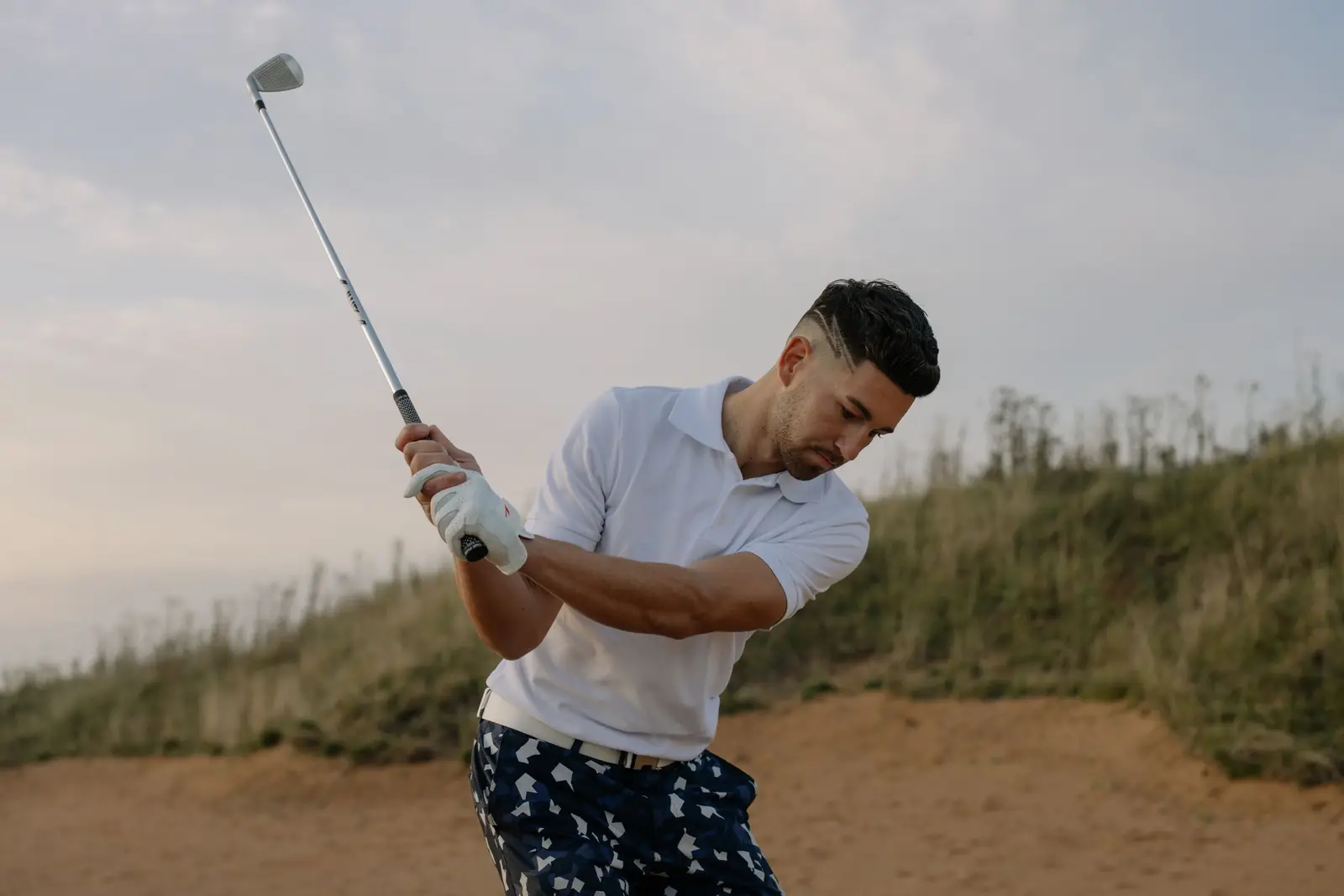
You do not need to be a competitive athlete to have one. Weekend pickleball, a Saturday round of golf, or a new mileage goal on the Katy Trail can all overload tissue that was not ready for it.
What are the most common sports injuries?
These are the injuries we see most often, and each has its own page with more detail.
| Injury | What it is | Often seen in |
|---|---|---|
| Sprain | Stretched or torn ligament | Ankles, knees, wrists |
| Strain | Pulled or torn muscle or tendon | Hamstrings, groin, calves |
| Tendinitis or tendinopathy | Irritated, overloaded tendon | Elbow, shoulder, Achilles |
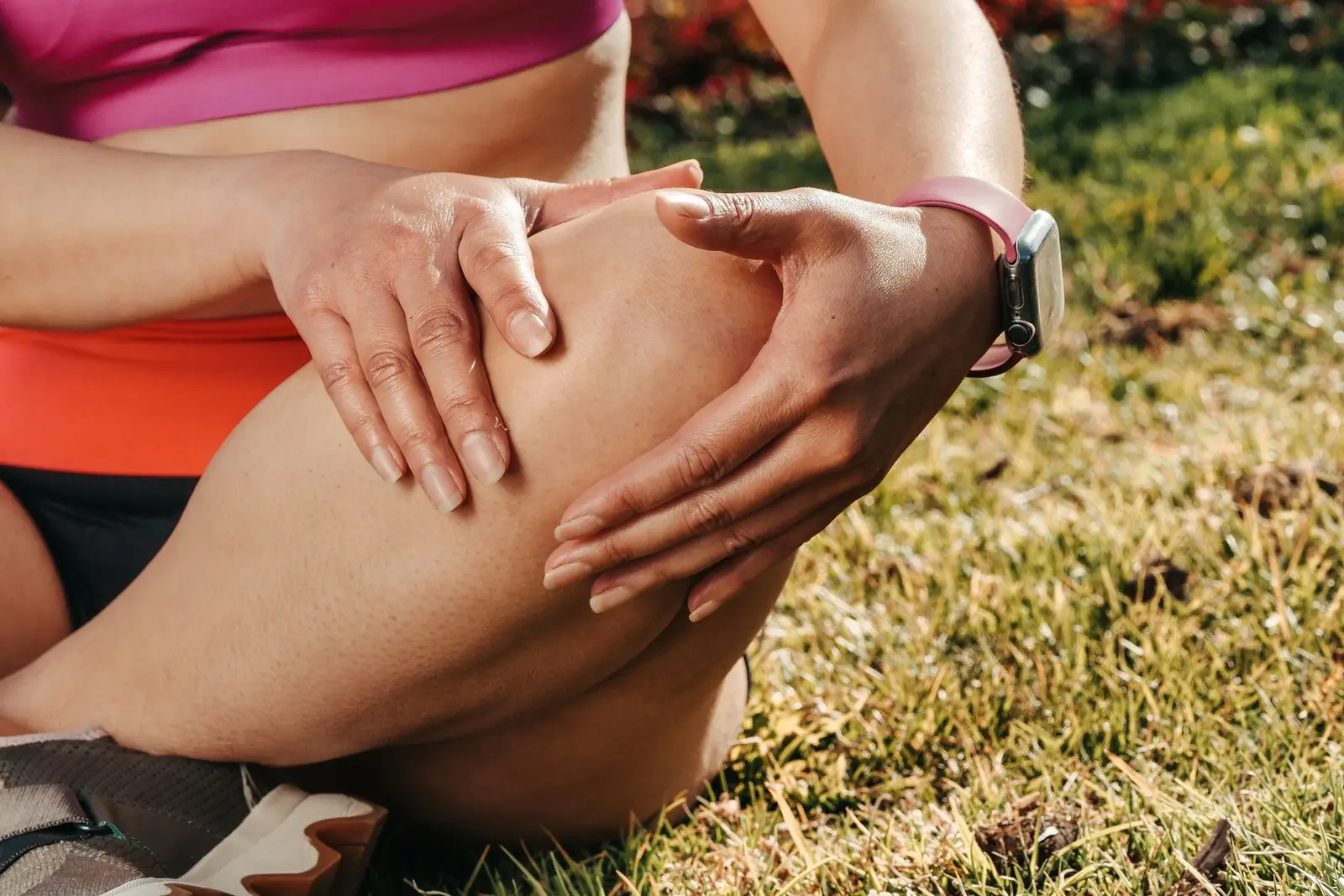
| Runner's knee | Pain around the kneecap | Knee |
| Rotator cuff irritation | Pain with overhead motion | Shoulder |
| Plantar fasciitis | Heel pain from the tissue under the foot | Foot |
| Hip bursitis or strain | Outer hip or groin pain | Hip |
What causes overuse injuries?
Most overuse injuries come from doing too much, too soon. A sudden jump in training time, intensity or frequency is a common trigger. Worn-out shoes, a new playing surface, poor technique and weak supporting muscles (often the hips and core) add to the load.
What symptoms mean you are hurt, not just sore?
Normal soreness peaks a day or two after hard exercise, feels similar on both sides, and fades within a few days. An injury usually hurts in one specific spot, lasts longer, and gets worse when you repeat the activity.
Signs of an acute injury include sudden sharp pain, quick swelling or bruising, a joint that feels unstable, and trouble bearing weight. Overuse injuries usually cause pain during activity and a dull ache afterward, sometimes with mild swelling.
How do we evaluate a sports injury?
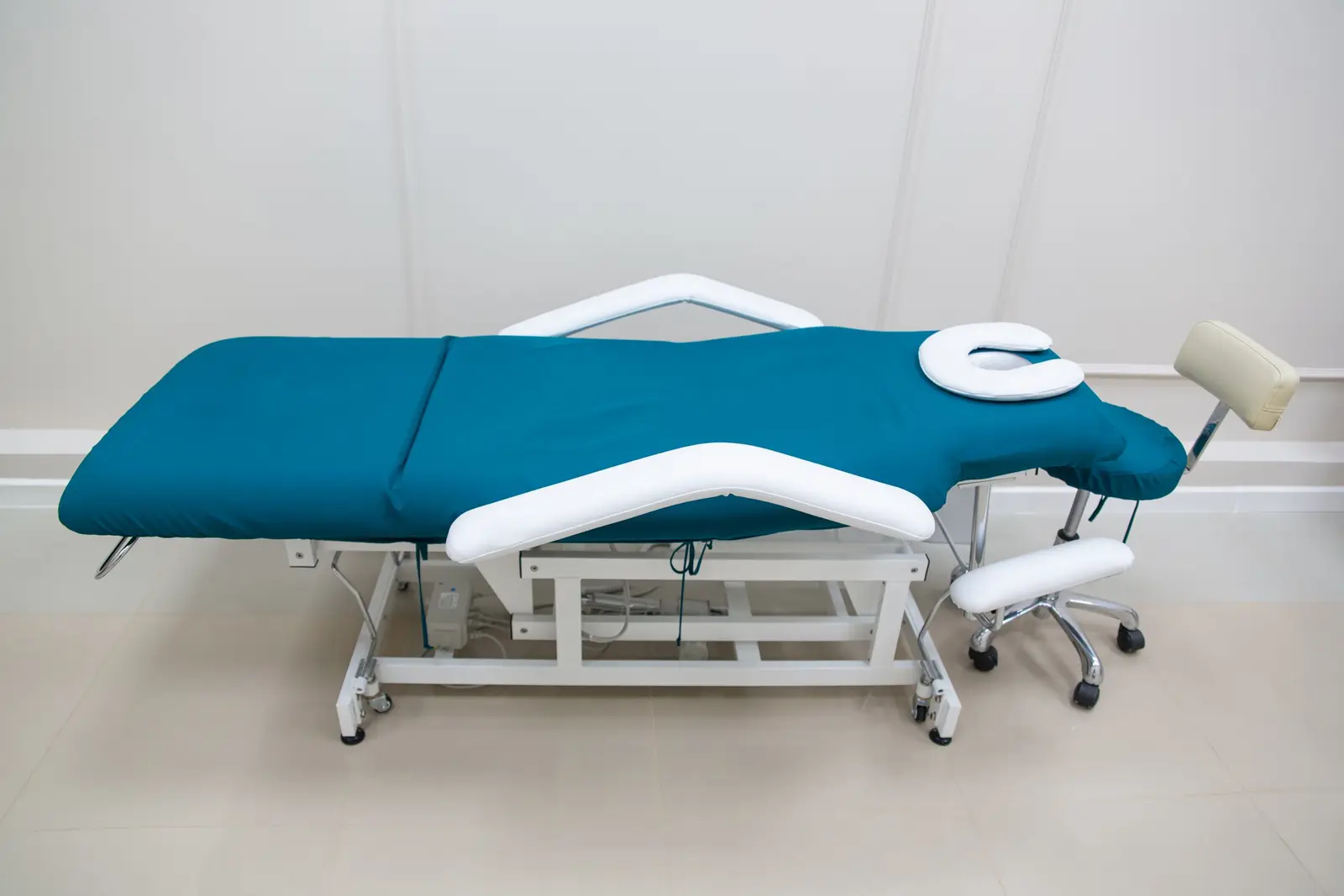
We start with your story: what you were doing, what you felt, how training has changed recently, and what your goals are. Then a hands-on exam checks motion, strength, joint stability, tender spots and how you move through the activity that hurts. For a runner, that may mean watching a single-leg squat. For a golfer, rotation through the hips and upper back.
X-rays are taken when the history or exam suggests a bone or joint problem. If a full tendon or ligament tear, a meniscus injury or a stress fracture is likely, we refer you for an MRI or to an orthopedic specialist.
What treatments help sports injuries?
Exercise-based rehab has the best support for most sports injuries. NIAMS notes that rehab is usually recommended before returning to the activity that caused the injury. Other therapies can help calm pain so you can do that work. Results vary from person to person.
- Physical rehab: Progressive strength, mobility and balance work, matched to your sport and stage of healing.
- Chiropractic adjustments: May ease joint stiffness in the spine, hips or other joints that limits how you move.
- Soft tissue scraping and medical massage: Hands-on work on tight muscles and tendons. Evidence is limited, so we use them alongside exercise, not instead of it.
- Dry needling: A thin needle placed into a tight, tender trigger point. Studies suggest short-term pain relief for some conditions.
- Shockwave therapy: Sound waves aimed at a stubborn tendon or the plantar fascia. Evidence is strongest for chronic plantar fasciitis and mixed for other tendons.
How is a rehab plan structured?
- Calm the pain by adjusting load, not stopping all activity.
- Restore motion in the injured area and the joints above and below it.
- Rebuild strength, starting slow and adding load each week.
- Add sport-specific drills like cutting, jumping or swinging.
- Return gradually, then keep a short maintenance routine.
What can you do at home?
For the first few days after a minor sprain or strain, protect the area, ice it for 15 to 20 minutes at a time, use light compression, and keep it raised when you can. Then start easy movement within comfort.
For overuse injuries, cut back on the aggravating activity rather than stopping all exercise. Swap in lower-impact options like cycling or swimming, check your shoes, and build training back slowly.
When should you see an orthopedic surgeon or go to the ER?
Go to the ER for any red flag on this page, including a suspected fracture, dislocation or head injury. See an orthopedic surgeon if your knee or shoulder gives way, if you heard a pop followed by fast swelling, if you cannot lift your arm, or if you are not improving after several weeks of good rehab.
Some injuries, like a complete ACL tear or a large rotator cuff tear in an active person, may need surgery. Knowing that early saves time.
When to see a doctor or go to the ER instead
- A bone that looks out of place, or a joint you cannot move after a fall or collision, needs emergency care.
- Not being able to put any weight on a leg after an injury needs same-day medical evaluation for a fracture.
- A bone poking through the skin is an emergency because of the risk of infection.
- Numbness, a cold or pale limb, or rapidly building swelling and tightness in a calf or forearm needs the ER right away.
- A blow to the head with confusion, vomiting or a worsening headache needs emergency evaluation for a concussion or bleeding.
If you think you are having a medical emergency, call 911.
How we treat it
Frequently asked questions
For a fresh sprain or strain, ice for 15 to 20 minutes at a time in the first couple of days can ease pain and swelling. Heat tends to feel better later for stiff, tight muscles. Neither one heals tissue on its own, so pair them with gentle movement and a rehab plan.
Return when you have full or near-full motion, good strength compared with the other side, and you can do sport-like drills without pain getting worse the next day. Coming back too soon is a common reason injuries return. We use those milestones, not just the calendar, to guide the decision.
Many sports injuries can be diagnosed with a good history and exam. Imaging makes sense when a fracture, a complete tear or a joint that gives way is suspected, or when you are not improving as expected. X-rays can be taken when indicated, and we refer for MRI or a specialist when the exam calls for it.
Yes, for many muscle, tendon and joint problems in the shoulder, hip, knee, elbow and foot. Care focuses on exercise-based rehab plus hands-on and soft tissue work. Injuries that need surgery, casting or emergency care are referred to the right physician.
Sources

This page is general education, not medical advice. It cannot replace an exam. Results from any treatment vary from person to person.