The short version
- Most new low back pain improves over a few weeks, with or without treatment.
- The ACP guideline lists spinal manipulation, heat, massage and exercise among first-line nondrug options.
- Staying gently active usually helps more than bed rest.
- Loss of bladder or bowel control, numbness in the groin or worsening leg weakness needs emergency care.
What is low back pain?
Low back pain is pain, stiffness or aching between the bottom of your ribs and the top of your legs. It is one of the most common reasons adults see any clinician. Most cases are called "nonspecific," which means no single damaged structure explains the pain.
Doctors sort back pain by how long it has lasted. Acute pain lasts less than four weeks, subacute pain lasts four to twelve weeks, and chronic pain lasts longer than twelve weeks. The longer pain lasts, the more it tends to involve muscle weakness, stiffness and changes in how you move.
What causes low back pain?
Most low back pain comes from the muscles, ligaments, small spinal joints and discs. Common triggers include:
- Lifting, twisting or a sudden awkward movement
- Long hours sitting, such as at a desk in Uptown or in traffic on Central Expressway
- Weak core and hip muscles that leave the spine underprotected
- Age-related disc and joint changes (see degenerative disc disease)
- A disc that bulges or herniates and irritates a nerve (see herniated disc)
- Extra body weight, smoking and poor sleep, which are linked to more back pain
What symptoms should I watch for?
Typical low back pain is a dull ache or sharp pain in the low back that changes with position. Bending, sitting or standing for a long time may make it worse. Muscle spasm can make it hard to stand up straight.
When pain travels below the knee with numbness or tingling, a nerve may be involved. That pattern is often called sciatica and needs a closer look at nerve function.
How do we evaluate low back pain at our clinic?
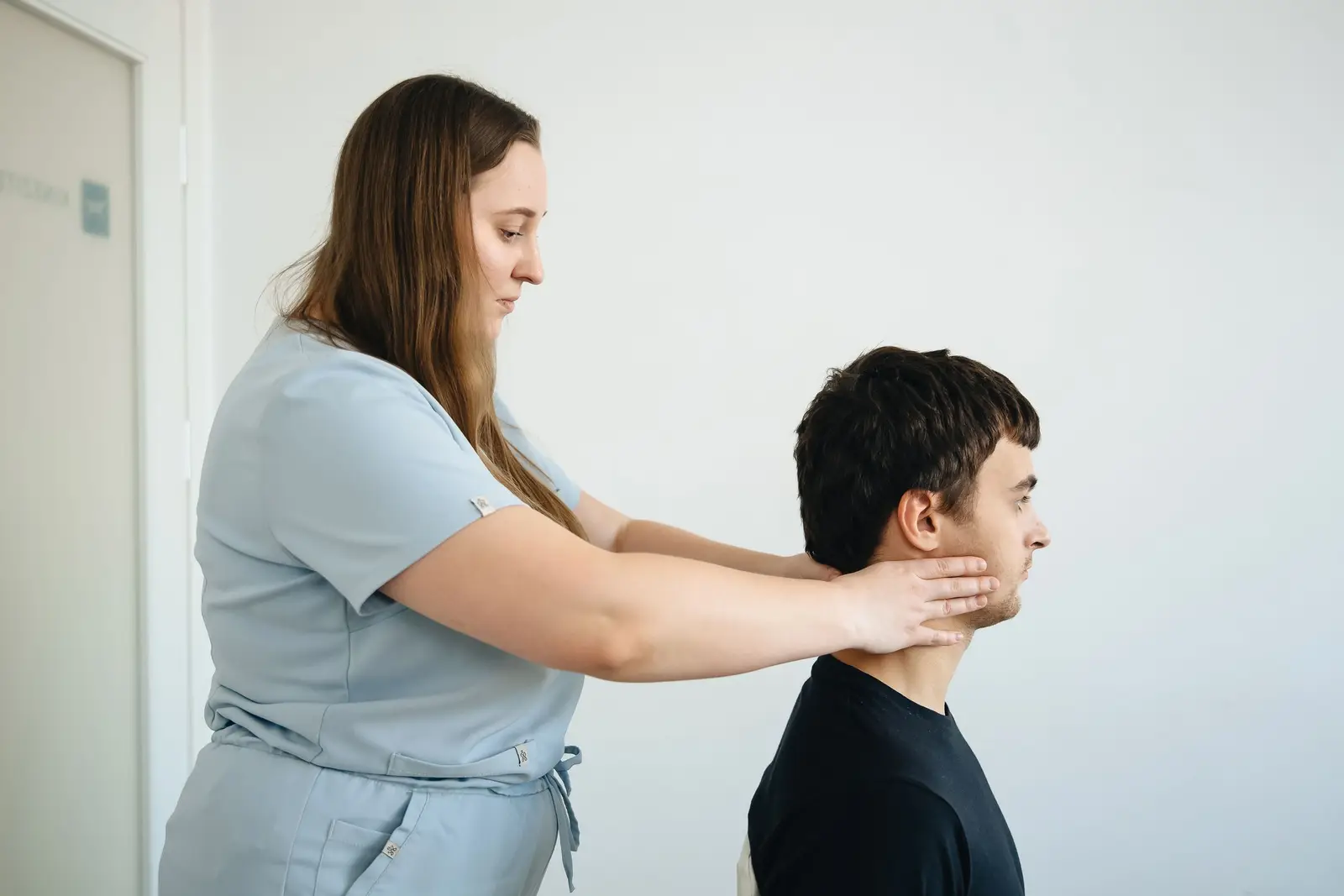
We start by listening. Your first visit includes paperwork, a detailed history and your goals, followed by a physical exam. The exam checks how you move, where it hurts, your reflexes, strength and sensation, and whether any signs point to a problem that needs a physician instead.
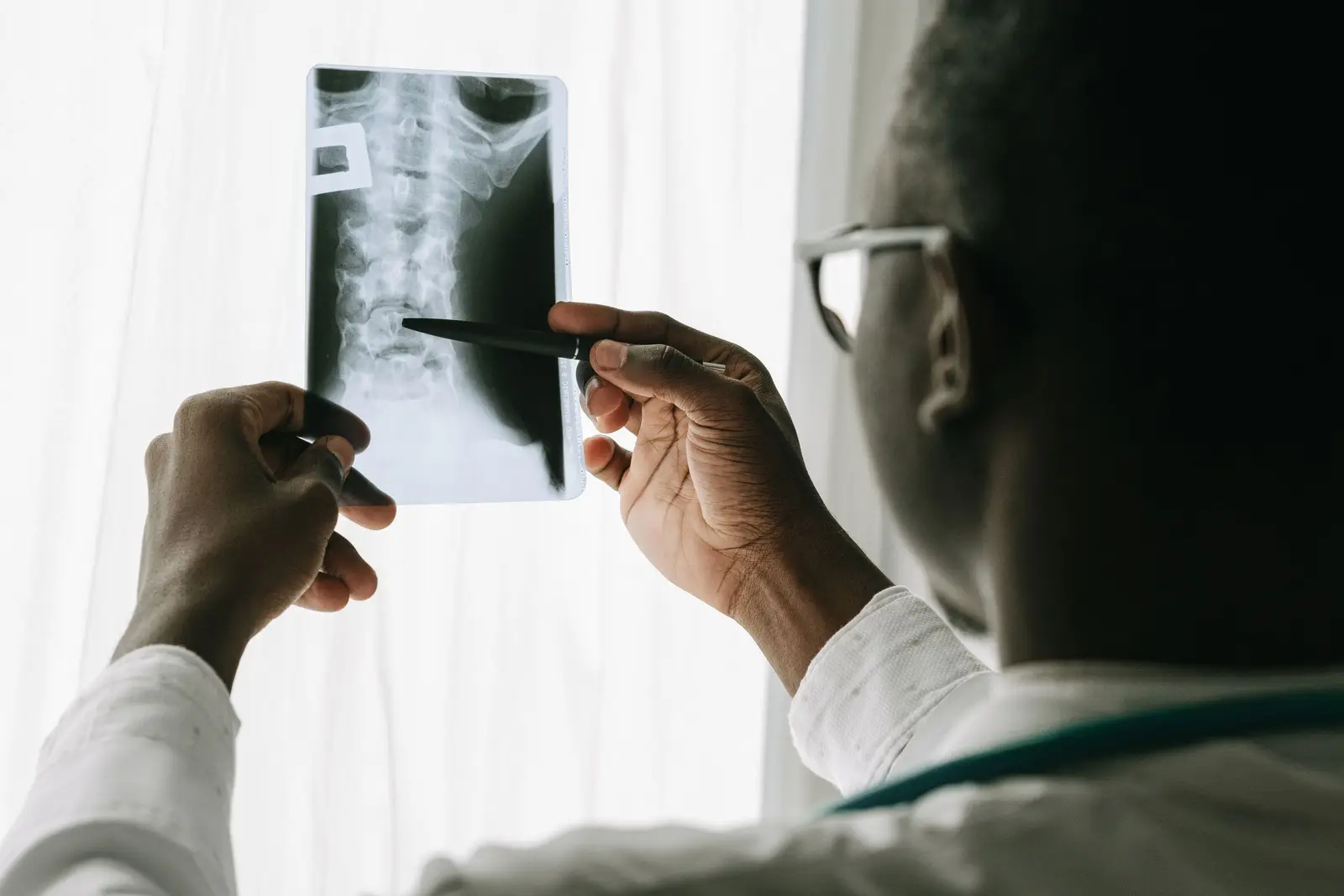
We take X-rays only if they are needed, for example after trauma or when your exam suggests a structural problem. You can read more about why chiropractors take X-rays. Then we review a personalized plan with you before treatment starts.
Which treatments can help low back pain?
Several conservative treatments can help, and most people do best with a combination. Results vary, and we adjust the plan based on how you respond.
| Treatment | What it is | What the evidence says |
|---|---|---|
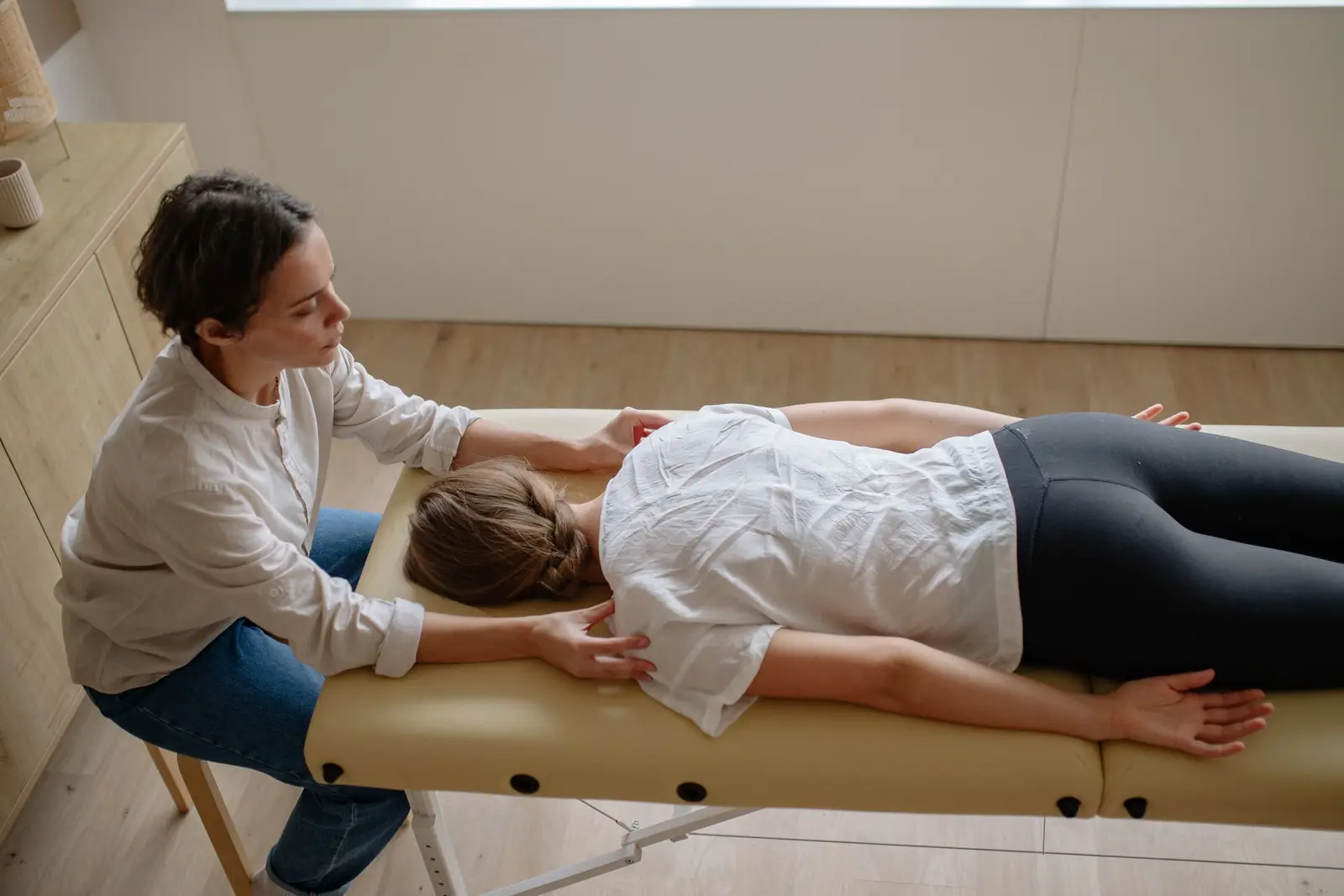
| Chiropractic adjustments | Hands-on spinal manipulation | Low to moderate quality evidence of small to modest benefit |
| Physical rehab | Guided exercise and strengthening | Strongly recommended for chronic pain |
| Medical massage | Soft tissue work by our licensed massage therapist | Listed by ACP for acute pain, low quality evidence |
| Laser therapy | Low-level light applied to the painful area | Listed by ACP for chronic pain, low quality evidence |
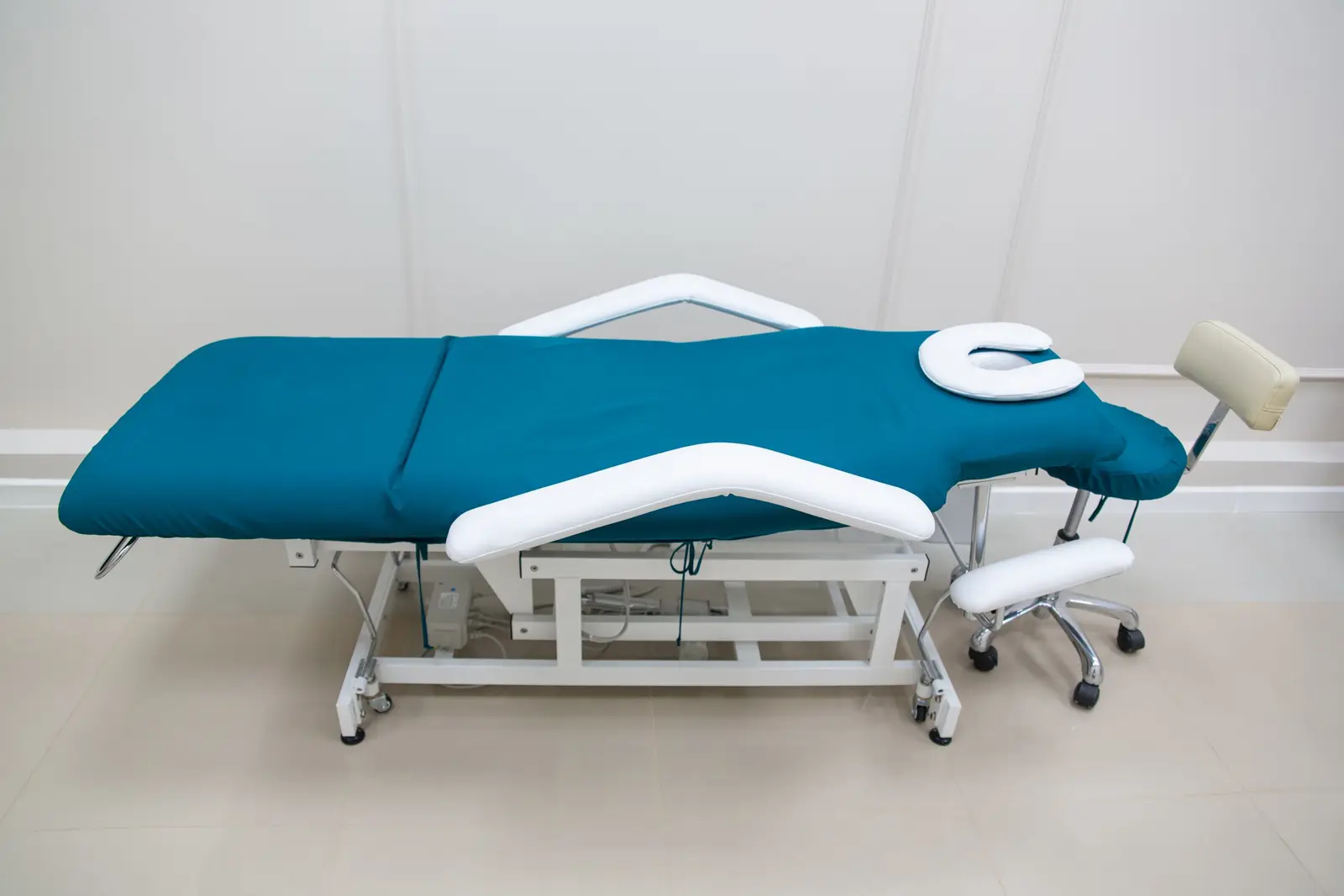
| Spinal decompression | Motorized traction on a decompression table | Limited evidence; may suit some disc-related cases |
What does the research actually show?
The American College of Physicians 2017 guideline recommends that most people with acute back pain start with nondrug options such as heat, massage, acupuncture or spinal manipulation. For chronic back pain, it lists exercise, rehabilitation, spinal manipulation and several other approaches before medicine.
A 2019 BMJ review of 47 trials found spinal manipulation worked about as well as other recommended therapies for short-term pain, with a small extra improvement in function. That is a real but modest effect, which is why we pair it with exercise.
Traction-based treatments have weaker support. A Cochrane review found traction had little or no effect for general low back pain. We discuss that honestly if you are considering decompression, and you can compare options in spinal decompression vs. surgery.
What can I do at home?
Small daily habits make a real difference while you heal:
- Keep moving. Short walks are usually better than bed rest.
- Use heat for 15 to 20 minutes at a time to relax tight muscles.
- Break up long sitting every 30 to 45 minutes.
- Do the exercises from your plan consistently, even after the pain eases.
- Sleep on your side with a pillow between your knees, or on your back with a pillow under them.
When is chiropractic not the right choice?
Chiropractic care is not the right first step when back pain may come from a fracture, infection, cancer or severe nerve compression. It is also not a replacement for a medical workup when pain comes with fever or weight loss you cannot explain. If we find signs like these, we refer you to a physician and tell you why.
When to see a doctor or go to the ER instead
- Loss of bladder or bowel control, or numbness in the groin or inner thighs, can signal cauda equina syndrome and needs emergency care.
- Leg weakness that is getting worse, or a foot that drags or slaps when you walk, needs prompt medical evaluation.
- Back pain with fever, chills or a recent infection should be checked by a physician the same day.
- Back pain after a fall, car crash or other trauma, especially if you are older or have osteoporosis, needs imaging to rule out a fracture.
- Back pain with weight loss you cannot explain, or a history of cancer, needs a physician's evaluation.
If you think you are having a medical emergency, call 911.
How we treat it
Frequently asked questions
Either can be a reasonable first stop for common back pain without warning signs. A chiropractor focuses on the spine, joints and muscles and uses hands-on care and exercise. A medical doctor can prescribe medicine and order tests. At our clinic, Dr. Currington handles chiropractic care, and Dr. Hector Molina, MD, provides medical pain services when they are needed.
Usually not right away. Most back pain improves without imaging, and many scans show age-related changes that are not causing pain. We take X-rays when your history or exam suggests they will change your care, such as after a fall, with structural concerns, or before certain types of corrective care.
Acute low back pain often settles within a few weeks. Pain that lasts longer than about three months is called chronic and usually needs a more structured plan that includes exercise and strengthening. Results vary from person to person, and we review your progress with you as care goes on.
For most adults it is considered low risk. Mild soreness, stiffness or a headache for a day or so is common. Serious problems are rare. We screen for conditions that make manipulation a poor choice, such as fractures, severe osteoporosis or signs of nerve damage, and we use other methods when needed.
Extra body weight adds load to the discs and joints of the low back and is linked to back pain in many people. Dr. Currington often pairs adjustments with strengthening and, for some patients, weight loss. Our clinic's medical weight loss program is run by Dr. Molina and requires a medical evaluation.
Sources
- ACP: Noninvasive treatments for acute, subacute and chronic low back pain (2017 guideline) (opens in a new tab)
- BMJ: Spinal manipulative therapy for chronic low back pain, systematic review (2019) (opens in a new tab)
- NIAMS: Back pain (opens in a new tab)
- NCCIH: Spinal manipulation, what you need to know (opens in a new tab)
- Cochrane: Traction for low back pain with or without sciatica (opens in a new tab)
- Cleveland Clinic: Cauda equina syndrome (opens in a new tab)

This page is general education, not medical advice. It cannot replace an exam. Results from any treatment vary from person to person.