The short version
- Medical massage targets a specific problem found in your exam, not general relaxation.
- It is provided by Neosha Kihm, LMT, a licensed massage therapist with over 15 years of experience.
- Research shows short-term pain relief for back and neck pain, with low-quality evidence.
- Serious side effects are rare but include blood clots dislodging and fractures in fragile bones.
- Massage works well before rehab exercise or adjustments, when muscles are less guarded.
What is medical massage?
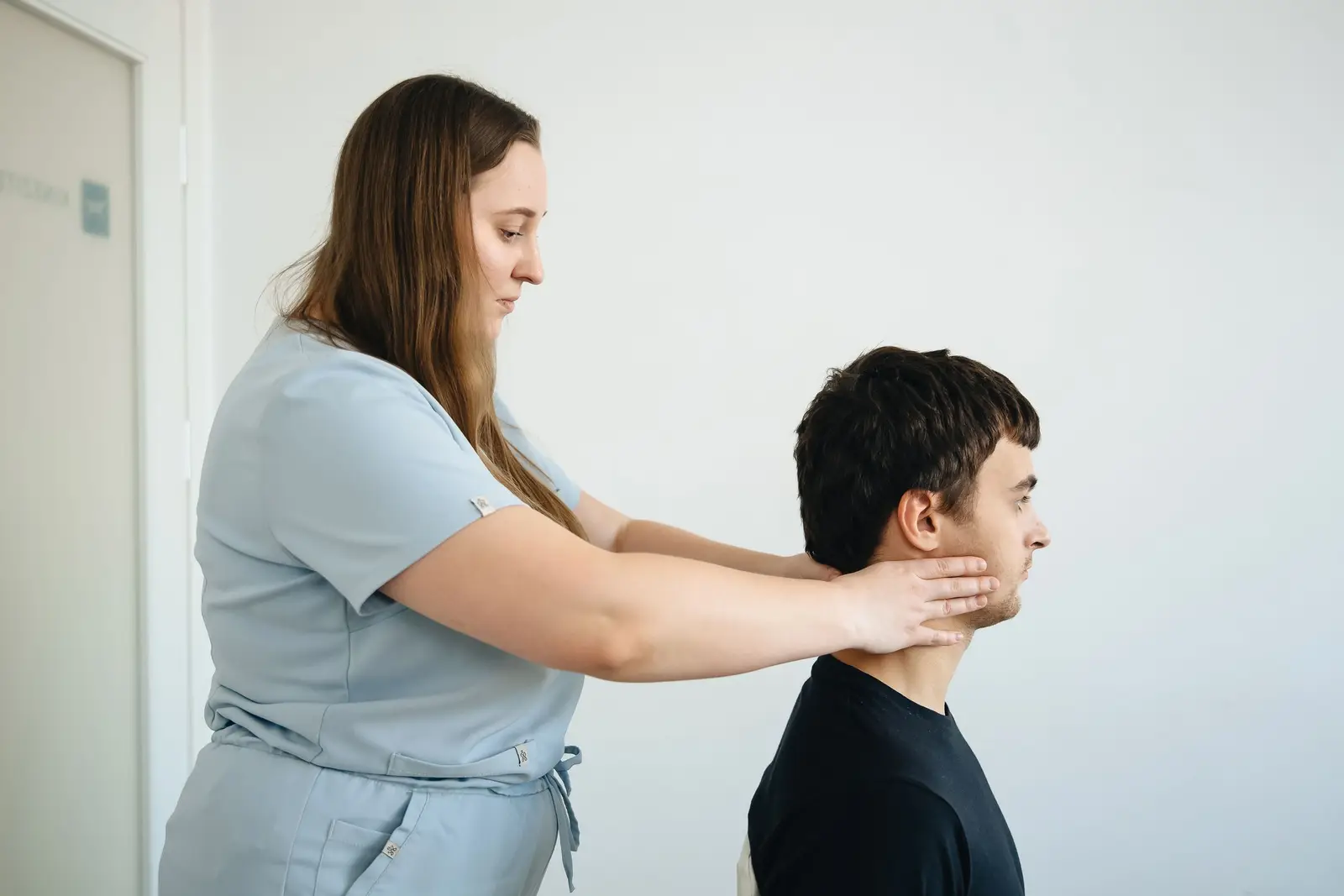
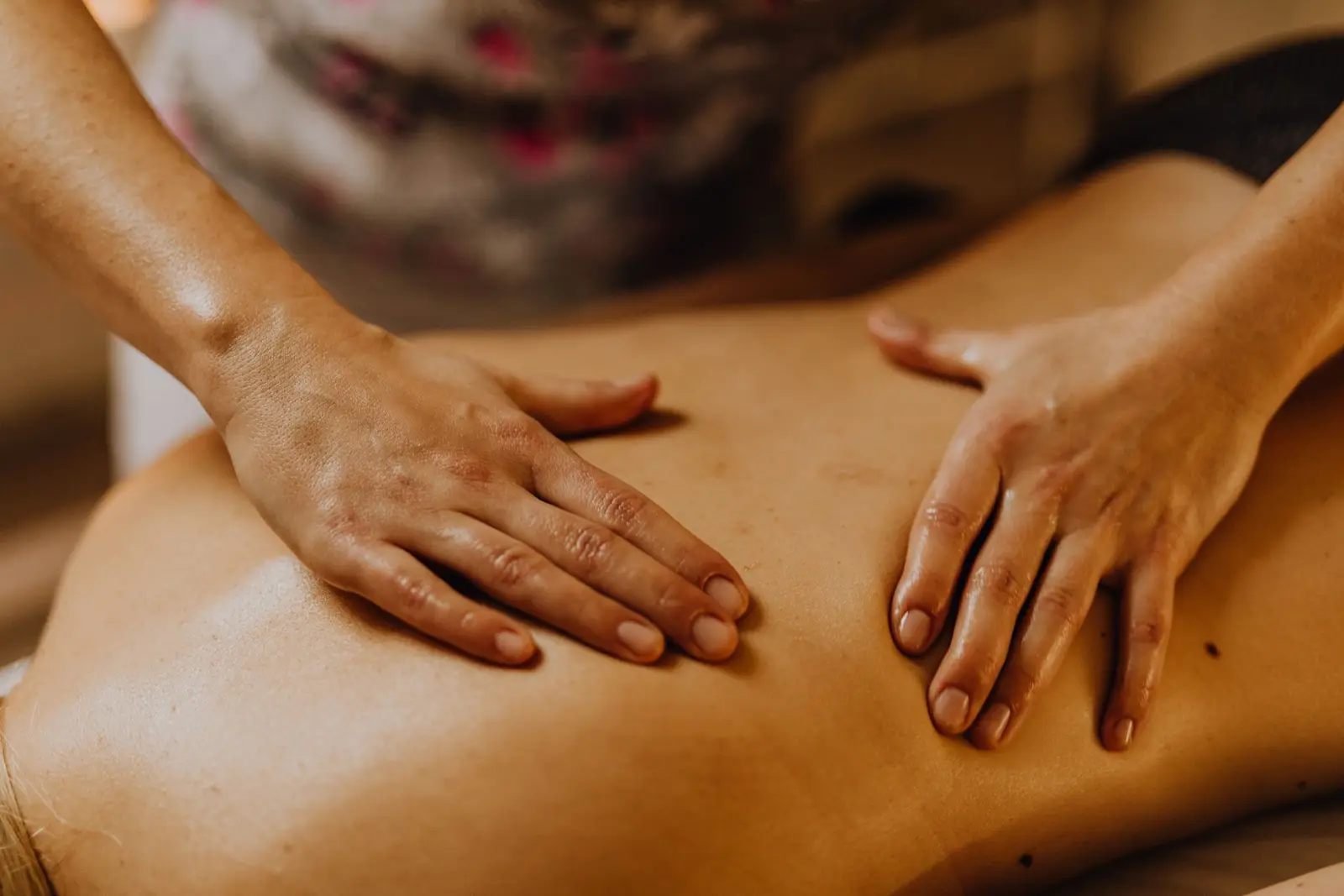
Medical massage is massage therapy directed at a specific health problem, such as back pain, neck tension or recovery from an injury. The therapist works on the muscles and connective tissue linked to that problem, using techniques chosen for it. It is part of a treatment plan, not a stand-alone spa visit.
At our clinic, medical massage is provided by Neosha Kihm, LMT, a licensed massage therapist with more than 15 years of experience. She works alongside Dr. Currington, so massage, adjustments and rehab support each other.
Techniques we use
| Technique | What it is | Often used for |
|---|---|---|
| Deep tissue massage | Slow, firm pressure into deeper muscle layers | Chronic tightness, postural strain |
| Myofascial release | Sustained pressure and stretch on fascia, the tissue that wraps muscles | Restricted movement, stiffness |
| Trigger point therapy | Focused pressure on tight, tender knots in muscle | Knots that refer pain, such as to the head |
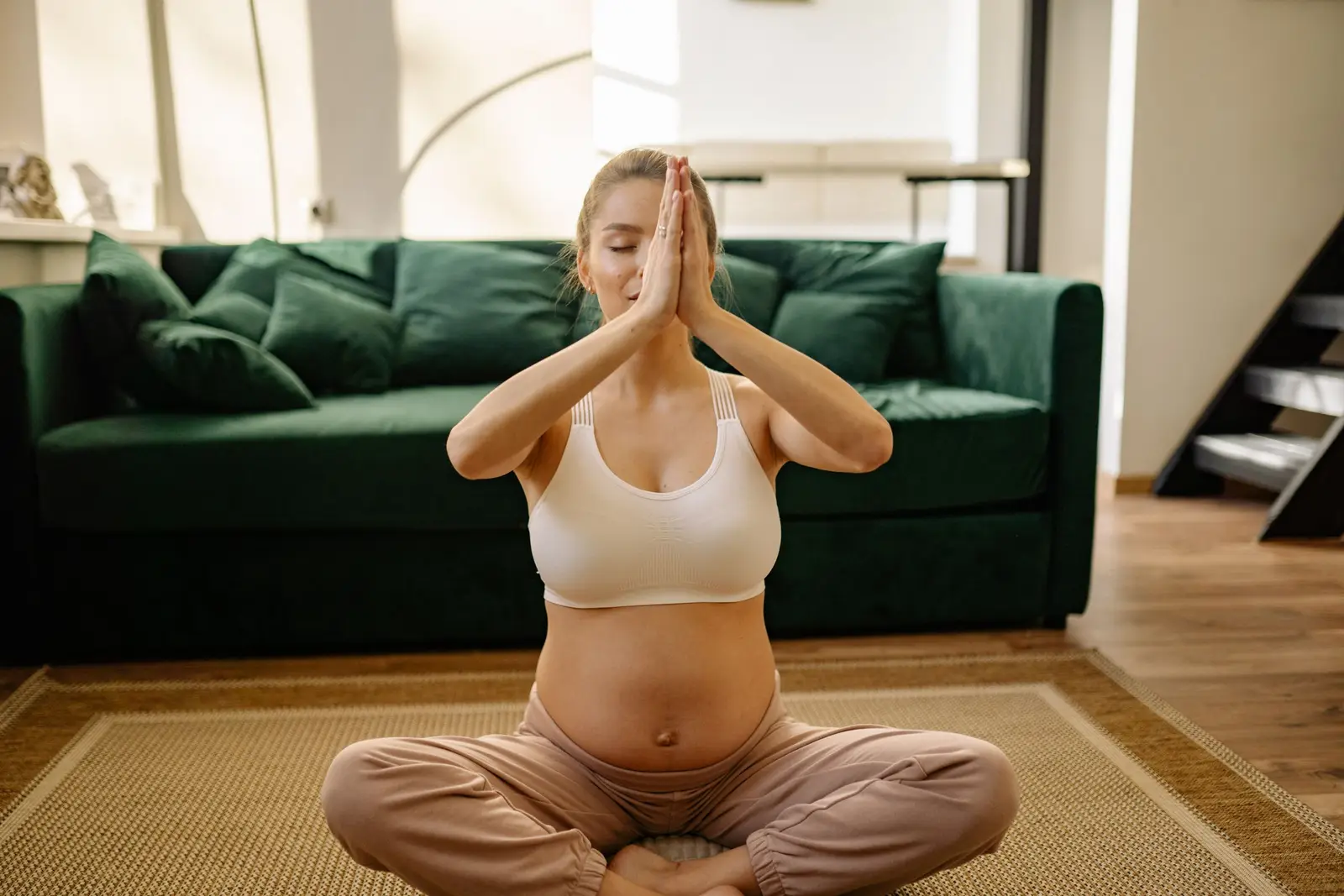
| Pregnancy massage | Side-lying positions and modified pressure | Back and hip discomfort during pregnancy |
What does the research show?
Massage can bring short-term relief for low back and neck pain, but the evidence is low quality and long-term effects are not clear. We think that makes it a helpful supporting treatment, not a main one.
A Cochrane review of 25 trials found massage improved pain in the short term for acute, subacute and chronic low back pain. The reviewers rated the evidence as low to very low quality and said they had very little confidence that massage is an effective treatment on its own. The American College of Physicians includes massage as an option for recent low back pain, but not for chronic low back pain.
For neck pain, NCCIH reports that massage beat no treatment but was not clearly better than other active treatments. One review found relief when sessions were long and frequent enough.
We do not claim massage treats conditions like diabetes, high blood pressure or sleep disorders.
How does massage fit into chiropractic care?
Massage can reduce muscle guarding, the protective tightening that happens around a painful area. When those muscles relax, adjustments and exercise are often easier to tolerate.
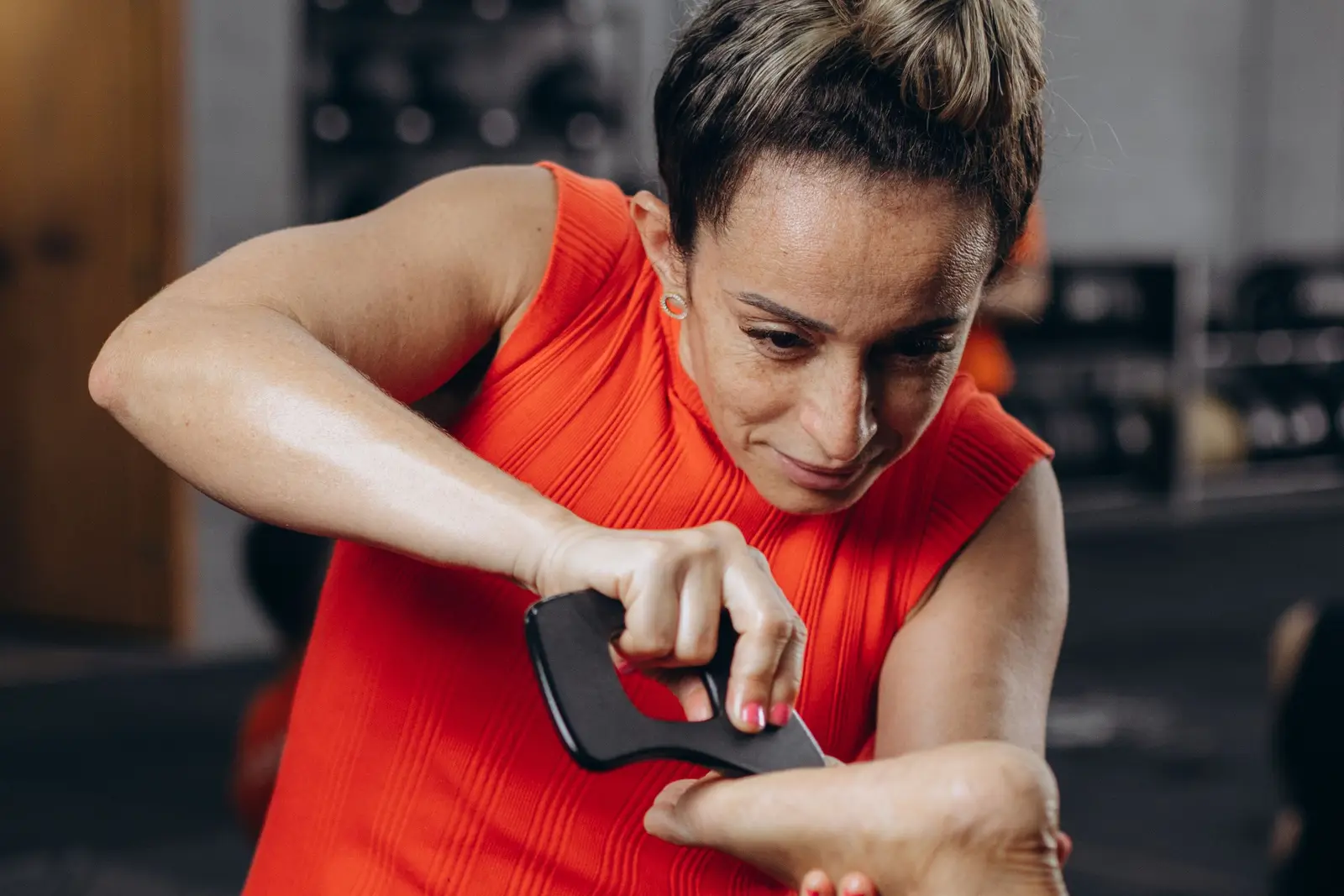
Depending on your needs, we may also recommend soft tissue scraping, an instrument-assisted technique, or lymphatic drainage for swelling.
Who should avoid or adjust medical massage?
Massage is low risk for most people, but rare serious problems have been reported, including blood clots, nerve injury and broken bones. Many of those cases involved vigorous pressure or people at higher risk, such as older adults.
Reasons to avoid massage over an area or postpone it
- A known or suspected blood clot (deep vein thrombosis), or a swollen, warm, painful calf
- Recent fracture, or bones weakened by severe osteoporosis or cancer
- Bleeding disorders or blood thinners, which raise the risk of bruising with deep pressure
- Open wounds, burns, rashes or skin infections
- Fever or an active infection
- Recent surgery, until cleared by your surgeon
- High-risk pregnancy, unless your obstetric provider approves
What should you tell your therapist first?
Before your first session, share anything that changes how safe or comfortable massage is for you. This helps your therapist choose the right pressure and positions.
- Medications, especially blood thinners or steroids
- Recent injuries, surgeries or new pain you have not had checked
- Pregnancy, and how far along you are
- Areas that are numb, tingling or very sensitive to touch
- Pressure preferences, and any places you do not want treated
What happens during a session?
Sessions at our Dallas office are planned around what your exam found.
- A short check-in about your symptoms and any changes in your health.
- Treatment focused on the areas linked to your problem.
- Pressure adjusted to your comfort, with you guiding the therapist.
- Simple advice on stretching, heat or activity afterward.
Mild soreness for a day or two is common after deeper work. Gentle movement and normal activity usually help it settle. If you are pregnant, our pregnancy chiropractic page explains how we adapt care during pregnancy.
Conditions this is used for
Frequently asked questions
A spa massage is usually about general relaxation. Medical massage starts from a clinical reason, such as a stiff neck after a car accident or tight hip muscles feeding into back pain. The therapist focuses on the areas linked to that problem, uses techniques chosen for it, and coordinates with your chiropractor so the massage supports the rest of your plan.
No. Deep tissue work can feel intense, but it should not be sharply painful, and more pressure is not always better. Very hard pressure can cause bruising or soreness and, rarely, more serious injury. Tell your therapist if pressure is too much. A good session often feels like a strong, manageable stretch, with mild soreness for a day or so afterward.
Often yes, with adjustments. Our massage therapist has training in pregnancy massage, which uses side-lying positions and avoids certain pressure. Check with your obstetric provider first, especially if you have a high-risk pregnancy, swelling in one leg, bleeding, or high blood pressure. Those can be reasons to avoid or postpone massage.
It depends on your goals. During an active injury or flare, sessions may be weekly or paired with chiropractic visits. As you improve, they can be spaced further apart. Research suggests that for neck pain, sessions need to be long and frequent enough to help, so we plan frequency around your condition rather than a fixed package.
Sources

This page is general education, not medical advice. It cannot replace an exam. Results from any treatment vary from person to person.