The short version
- Sciatica is a symptom, usually caused by a herniated disc, stenosis or bone spur pressing on a nerve root.
- Many cases improve within four to six weeks with self-care and conservative treatment.
- We test strength, reflexes and sensation to see how much the nerve is affected.
- Loss of bladder or bowel control or numbness in the groin is an emergency.
What is sciatica?
Sciatica is pain that runs along the path of the sciatic nerve, from the low back through the buttock and down the back of the leg. It is a symptom, not a diagnosis. Something is irritating or compressing one of the nerve roots in the low back that form the sciatic nerve.
The sciatic nerve is the longest nerve in the body. It controls muscles in the back of the leg and carries feeling from much of the leg and foot. That is why sciatica can cause numbness or weakness as well as pain.
What causes sciatica?
The most common cause is a herniated disc in the low back. The soft center of a disc pushes out and presses on, or inflames, a nearby nerve root. Other causes include:
- Lumbar spinal stenosis, a narrowing of the spaces around the nerves
- Bone spurs from arthritis in the spine
- Spondylolisthesis, when one vertebra slips forward on another
- Tight or irritated muscles in the buttock, sometimes called piriformis syndrome
- Pregnancy, injury, or, rarely, a tumor or infection
Risk goes up with age, extra body weight, long sitting, heavy lifting and smoking. Commuters who spend an hour a day on US-75 often notice that driving makes leg pain worse.
What does sciatica feel like?
Sciatica usually affects one leg. It can feel like a burning, shooting or electric pain, a deep ache in the buttock, or pins and needles down the leg. Coughing, sneezing or sitting for a long time may make it worse.
| Symptom | What it may mean |
|---|---|
| Pain in the buttock and thigh only | Nerve irritation, often milder |
| Pain below the knee into the foot | A nerve root is more clearly involved |
| Numbness or tingling in part of the foot | Sensory nerve fibers are affected |
| Weakness lifting the foot or toes | Motor fibers are affected; needs close follow-up |
How do we evaluate sciatica at our clinic?
Your first visit starts with a detailed history and a physical exam. We test the strength of key leg muscles, check reflexes at the knee and ankle, map any numbness, and use nerve tension tests to see how irritated the nerve is.
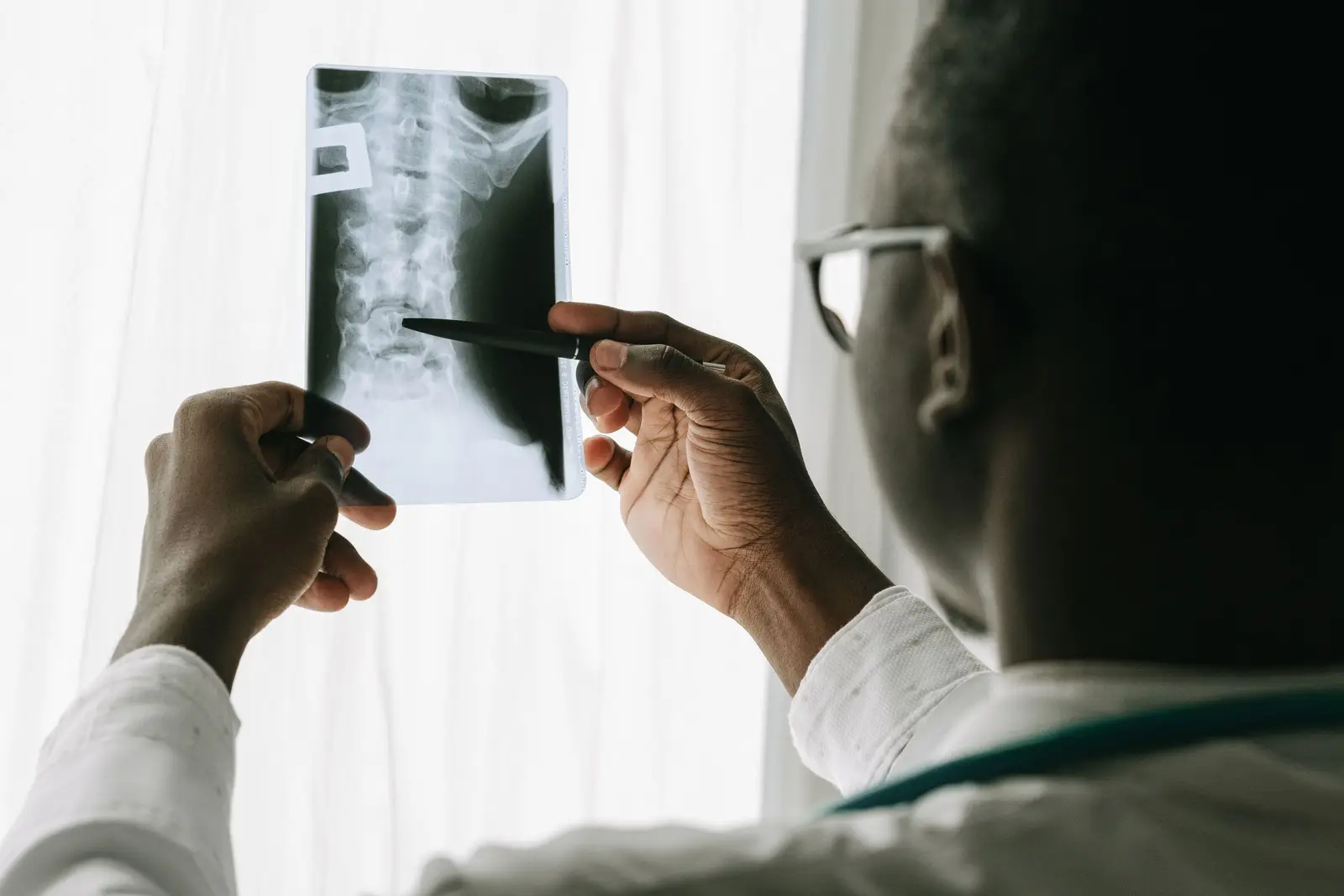
X-rays are taken if they are needed, for example to look for slippage, arthritis or alignment problems. X-rays do not show discs or nerves directly, so if your exam suggests significant nerve compression, an MRI ordered by a physician may be the right next step.
Which treatments can help sciatica?
Conservative care is the usual first step, and many people improve. Results vary based on the cause and how long symptoms have been present.
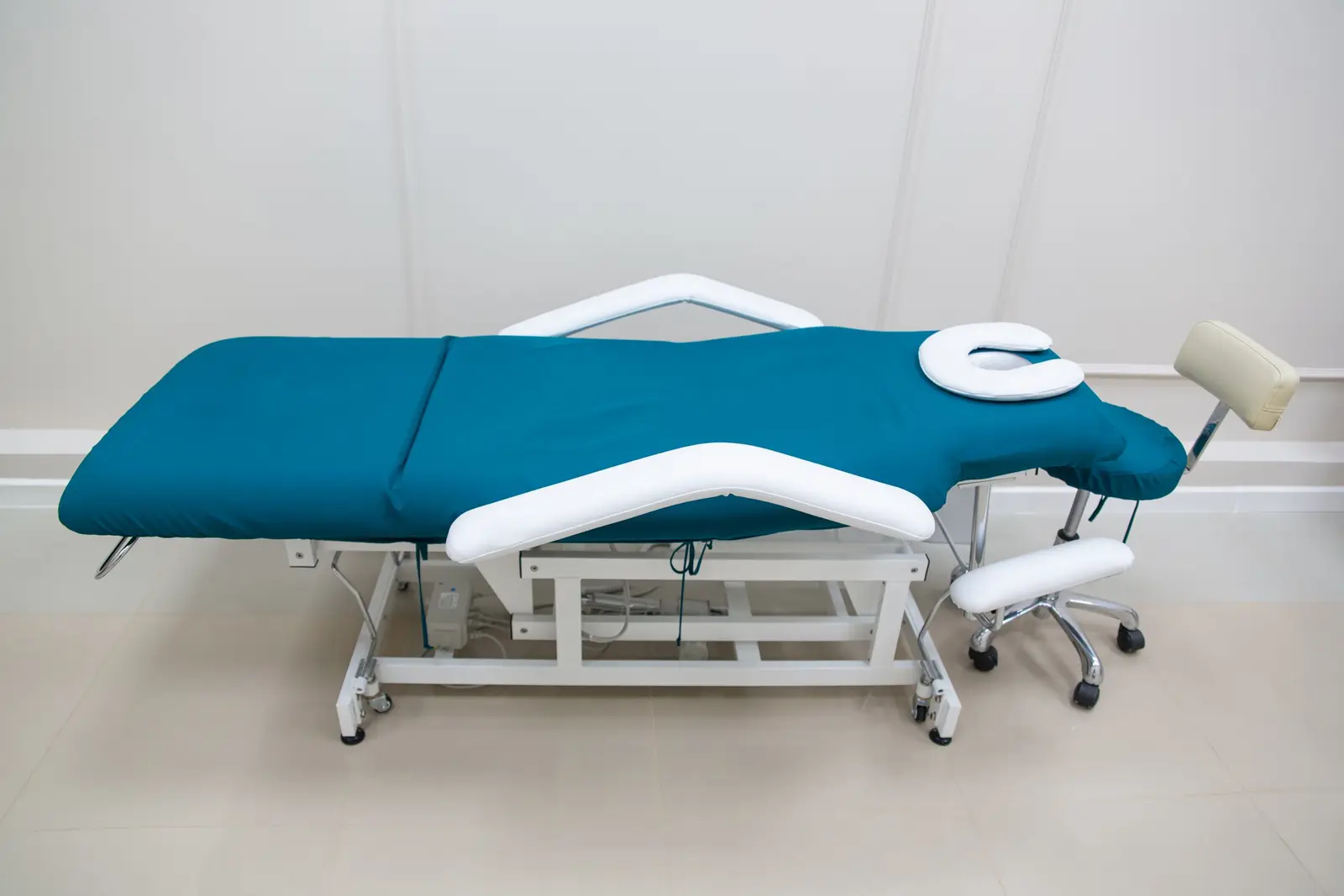
- Spinal decompression: motorized traction on a specialized table. At our clinic, sessions last about 20 to 30 minutes, a few times a week, often over 8 to 12 weeks.
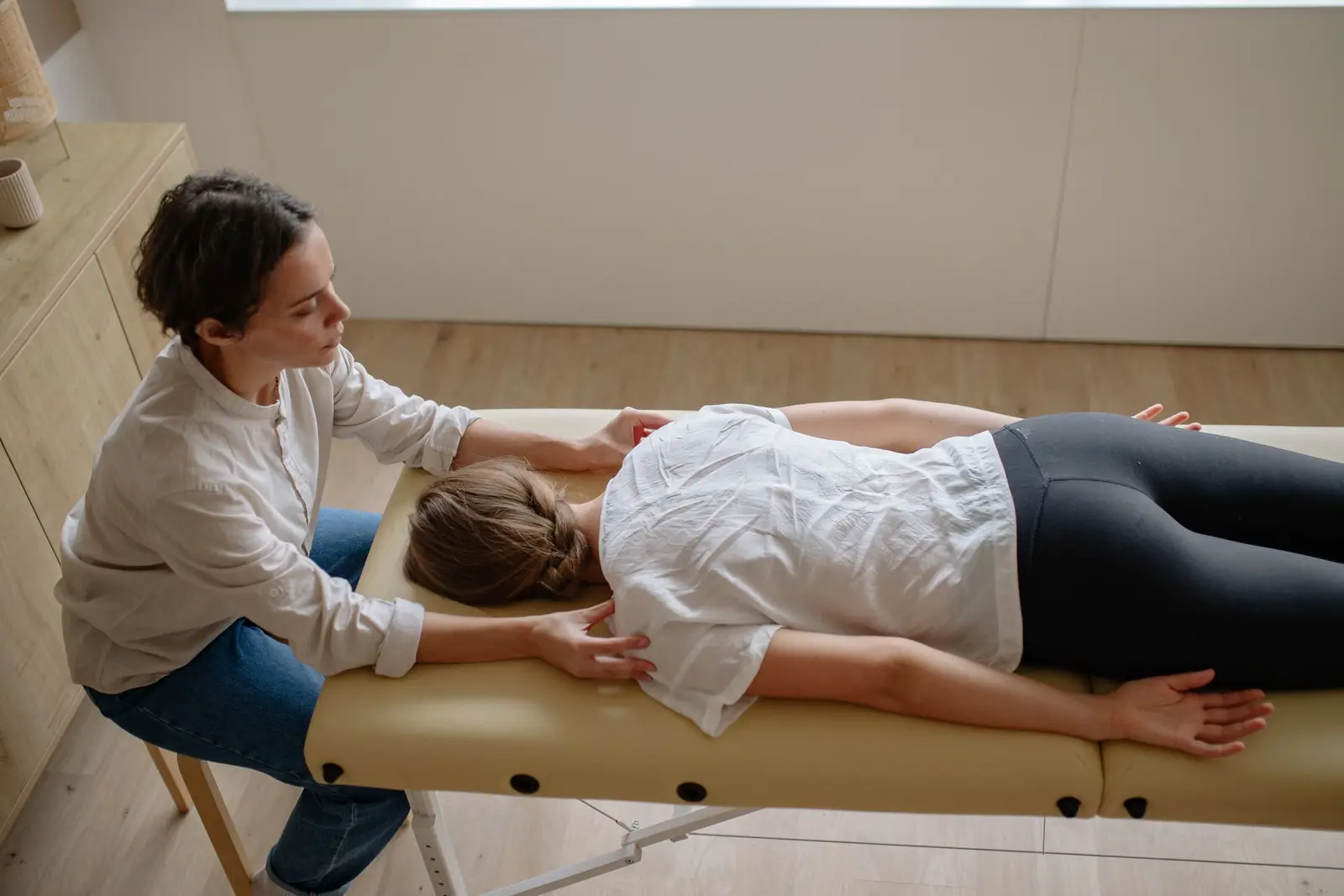
- Chiropractic adjustments: gentle manipulation to restore motion in the low back and pelvis.
- Physical rehab: exercises that reduce nerve irritation and build core and hip strength.
- Medical massage: soft tissue work for tight buttock and leg muscles.
- Medical pain management: when pain is severe, our physician, Dr. Hector Molina, MD, can evaluate whether injections are appropriate.
What does the evidence say?
Evidence for sciatica treatments is less clear than for general back pain. The National Center for Complementary and Integrative Health notes that a 2015 review found manipulation may help sciatica, but the studies had many limitations. Exercise and staying active are widely recommended.
Traction has weak support. A Cochrane review found that traction probably makes little or no difference for back pain with sciatica. Some patients still choose decompression after discussing this, and you can compare options in spinal decompression vs. surgery.
What can I do at home for sciatica?
- Stay as active as you comfortably can. Short, frequent walks often help.
- Avoid sitting for more than 30 minutes at a time.
- Use ice or heat, whichever feels better, for 15 to 20 minutes.
- Do the gentle exercises from your plan, and stop any that send pain further down the leg.
- Track your symptoms, and tell us if pain spreads further down the leg or numbness grows.
When to see a doctor or go to the ER instead
- Loss of bladder or bowel control, trouble urinating, or numbness in the groin, buttocks or inner thighs can mean cauda equina syndrome; go to an emergency room.
- Sciatica in both legs at the same time needs prompt medical evaluation.
- Leg or foot weakness that is getting worse, such as foot drop, needs urgent evaluation by a physician.
- Sciatica with fever, a history of cancer, or weight loss you cannot explain needs a physician's workup.
- Sciatica that starts after a fall or car crash needs imaging to rule out a fracture.
If you think you are having a medical emergency, call 911.
How we treat it
Frequently asked questions
Sciatica usually affects one side. The pain often starts in the low back or buttock and travels down the back of the thigh, sometimes below the knee into the calf or foot. It may burn, shoot or feel electric, and can come with numbness or tingling. Other problems, like hip arthritis or circulation issues, can mimic it, which is why an exam matters.
Research suggests spinal manipulation may help some people with sciatica, but the studies have limits. We often combine adjustments with decompression, exercise and soft tissue work. If your exam shows significant nerve damage, we refer you to a physician or spine specialist.
Many cases improve within four to six weeks. Some take several months, especially when a large disc herniation is involved. If symptoms are getting worse or you develop weakness, you should be re-evaluated rather than waiting.
Most people with sciatica do not need surgery. Surgery is usually considered for severe or worsening nerve weakness, cauda equina syndrome, or pain that stays disabling despite months of good conservative care. Our page on spinal decompression versus surgery explains the trade-offs.
Long sitting often makes disc-related sciatica worse, while some people with spinal stenosis feel better sitting. Changing positions often and taking short walks usually helps. We will tell you which positions suit your specific cause after your exam.
Sources
- MedlinePlus: Sciatica (opens in a new tab)
- Cleveland Clinic: Sciatica (opens in a new tab)
- NCCIH: Spinal manipulation, what you need to know (opens in a new tab)
- Cochrane: Traction for low back pain with or without sciatica (opens in a new tab)
- Cleveland Clinic: Cauda equina syndrome (opens in a new tab)

This page is general education, not medical advice. It cannot replace an exam. Results from any treatment vary from person to person.