The short version
- Disc bulges and herniations are common on scans, even in people with no pain.
- Pain, numbness or weakness from a herniated disc often improves a lot over weeks to months.
- Most people start with conservative care; surgery is for severe or worsening nerve problems.
- Loss of bladder or bowel control is an emergency, not a reason to wait.
What is a herniated disc?
A herniated disc is a spinal disc whose soft, gel-like center has pushed through a tear in its tough outer ring. Discs sit between the bones of your spine and act as shock absorbers. When material leaks out, it can press on a nearby nerve root and trigger inflammation.
You may also hear the terms slipped disc, ruptured disc or bulging disc. A bulge is a wider, more even spreading of the disc edge. A herniation pushes out in one spot. Either can be painful, and either can be found in people who feel fine.
Herniations happen most often in the low back, where they commonly cause sciatica. They also occur in the neck, where they can send pain into the arm.
What causes a disc to herniate?
Discs lose water and flexibility with age, which makes the outer ring more likely to crack. This is part of the same process described on our degenerative disc disease page. Other factors include:
- Lifting with a rounded back, or lifting and twisting at once
- Repeated bending, especially in physical jobs
- Long hours of sitting, which loads the low back discs
- Extra body weight
- Smoking, which reduces nutrition to the discs
- A sudden injury such as a fall or car crash
What are the symptoms of a herniated disc?
Symptoms depend on where the disc is and whether it touches a nerve. Some herniations cause no symptoms at all.
| Location | Common symptoms |
|---|---|
| Low back (lumbar) | Back pain, pain down the buttock and leg, numbness or tingling in the leg or foot, weakness lifting the foot |
| Neck (cervical) | Neck pain, pain between the shoulder blades, pain or tingling into the arm or hand, grip weakness |
Pain is often worse with sitting, bending, coughing or sneezing. The good news is that pain, numbness and weakness often improve a lot over weeks to months.
How do we evaluate a herniated disc at our clinic?
We begin with your history and a physical exam focused on the nerves. We test muscle strength, reflexes and sensation, and use movement tests to see which positions ease or worsen your symptoms.
X-rays are taken if they are needed. They show alignment, disc height and arthritis but not the disc itself. If your exam suggests serious nerve compression, or you have not improved as expected, an MRI ordered by a physician may be the next step.
Why your scan is not the whole story
Disc findings on imaging are very common in people without pain. A 2015 review found disc bulges in 30 percent of pain-free 20-year-olds and 84 percent of pain-free 80-year-olds. That is why we treat the person and the exam findings, not only the picture.
Which treatments can help a herniated disc?
Most people start with conservative care. Results vary, and we track your strength and symptoms at each stage.
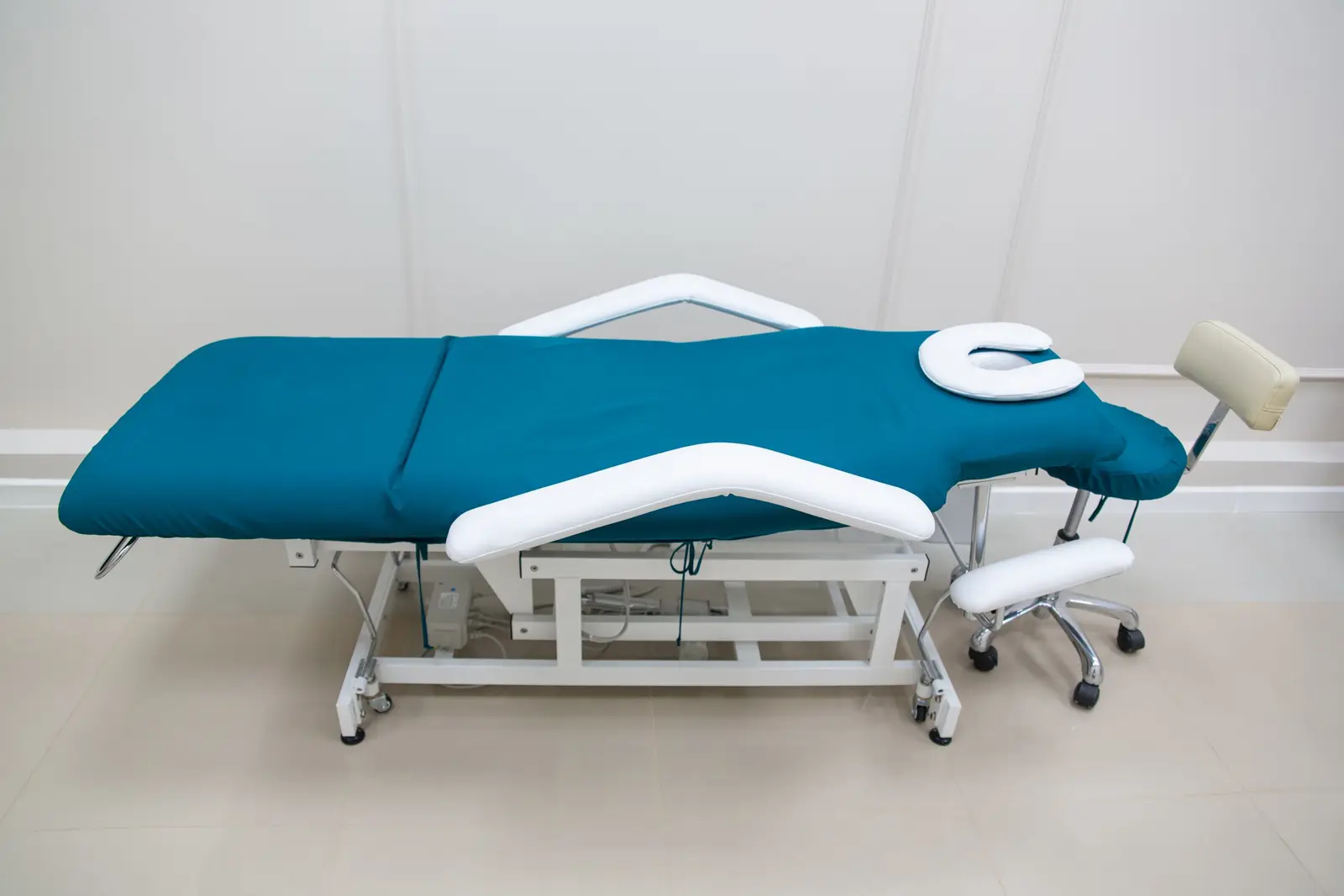
- Spinal decompression: motorized traction on a decompression table. At our clinic, sessions last about 20 to 30 minutes, a few times a week, usually for 8 to 12 weeks.
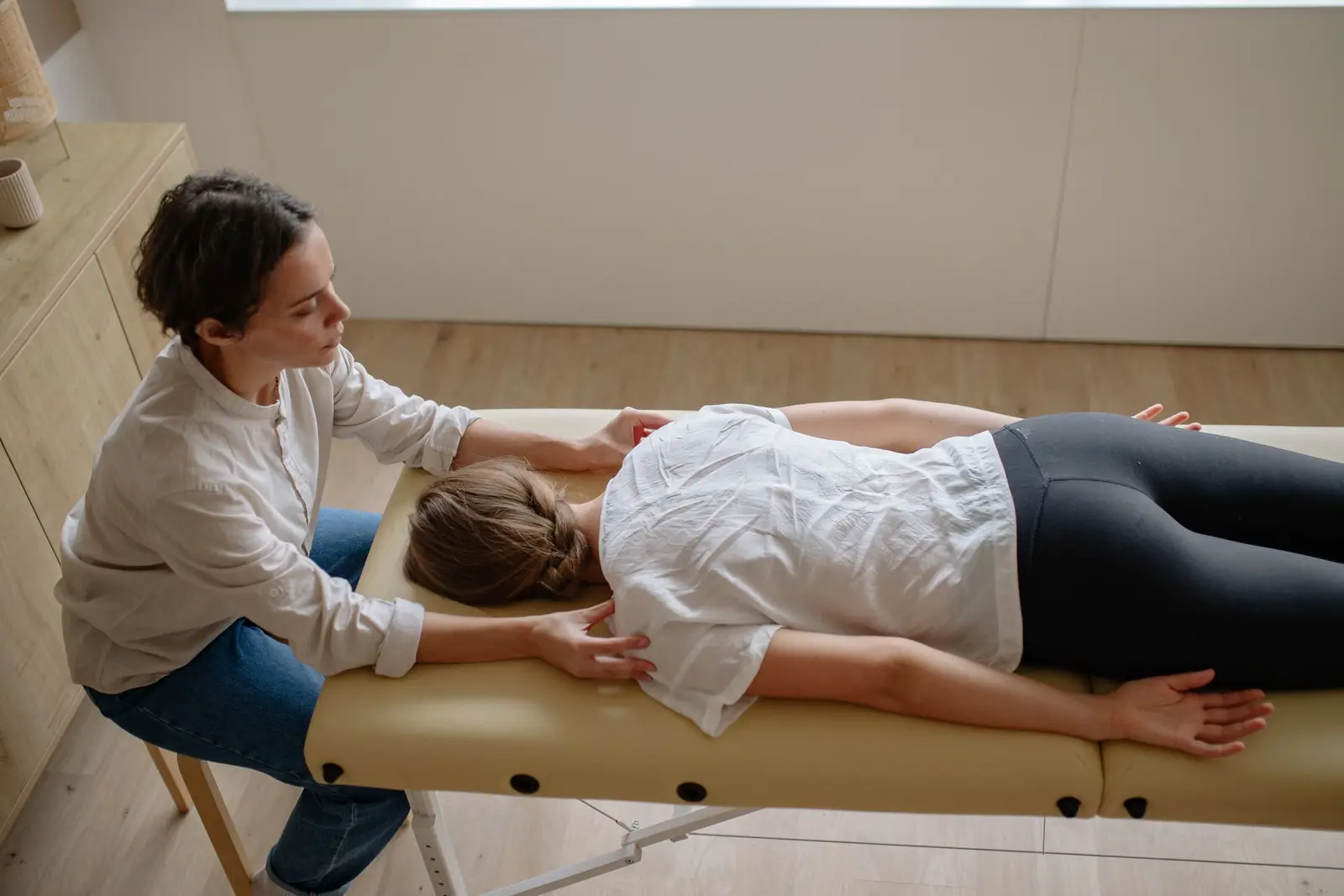
- Chiropractic adjustments: gentle manipulation or mobilization to restore motion in nearby joints.
- Physical rehab: exercises for core strength, hip mobility and safe lifting.
- Medical pain management: when pain is severe, our physician, Dr. Hector Molina, MD, can evaluate whether an epidural or other injection makes sense.
What does the evidence say?
For low back pain in general, the American College of Physicians recommends nondrug care first, including spinal manipulation and exercise. Evidence for traction-based care is weaker. A Cochrane review found traction made little or no difference for low back pain with or without sciatica. We share this openly so you can weigh decompression against other options. Our guide to spinal decompression vs. surgery explains when each makes sense.
What can I do at home for a herniated disc?
- Keep moving with short walks rather than resting in bed for days.
- Change positions often; avoid sitting for more than 30 minutes at a time.
- Bend at the hips and knees when lifting, and keep loads close to your body.
- Use ice or heat for 15 to 20 minutes, whichever feels better.
- Stop any exercise that sends pain further down your arm or leg, and tell us.
If you live with low back pain that keeps returning, our low back pain page covers prevention in more detail.
When to see a doctor or go to the ER instead
- Loss of bladder or bowel control, or numbness in the groin or inner thighs, can signal cauda equina syndrome and needs emergency care.
- Weakness in an arm, hand, leg or foot that is getting worse needs urgent evaluation by a physician.
- Trouble walking, clumsy hands or poor balance with neck pain can mean pressure on the spinal cord and needs prompt medical care.
- Disc-type pain with fever, a history of cancer, or weight loss you cannot explain needs a physician's workup.
If you think you are having a medical emergency, call 911.
How we treat it
Frequently asked questions
A bulging disc spreads out evenly beyond its normal edge, a bit like a hamburger too big for its bun. A herniated disc has a tear in the outer ring that lets some of the soft center push out in one spot. Herniations are more likely to press on a nerve, but either one can cause pain or no symptoms at all.
Symptoms from a herniated disc often improve a lot over weeks to months, and most people who follow conservative treatment return to normal activities. The disc itself may not look normal on a later scan, but that does not mean you will keep having pain.
Not always. An MRI is usually reserved for people with significant or worsening nerve symptoms, red flags, or those being considered for injections or surgery. X-rays do not show discs directly but can show alignment, disc height and arthritis. A physician orders an MRI when it is needed.
They serve different situations. Decompression is a conservative option for people without severe or progressive nerve damage, and research on it is limited. Surgery may be the right call when weakness is getting worse or pain stays disabling despite good conservative care. Our guide on decompression versus surgery covers this in detail.
Sources
- MedlinePlus: Herniated disk (opens in a new tab)
- AJNR: Imaging features of spinal degeneration in people without pain (2015) (opens in a new tab)
- Cochrane: Traction for low back pain with or without sciatica (opens in a new tab)
- ACP: Noninvasive treatments for acute, subacute and chronic low back pain (2017 guideline) (opens in a new tab)
- Cleveland Clinic: Cauda equina syndrome (opens in a new tab)

This page is general education, not medical advice. It cannot replace an exam. Results from any treatment vary from person to person.