The short version
- Scraping uses shaped metal tools to apply firm, gliding pressure to muscles, tendons and fascia.
- Recent reviews find moderate-certainty evidence for short-term pain relief and weaker evidence for better function.
- It is not clearly better than other manual therapy, so it works best as part of a plan that includes exercise.
- Redness and mild bruising are common; it is avoided over open wounds, infections, clots, fragile skin and some blood thinner use.
What is soft tissue scraping?
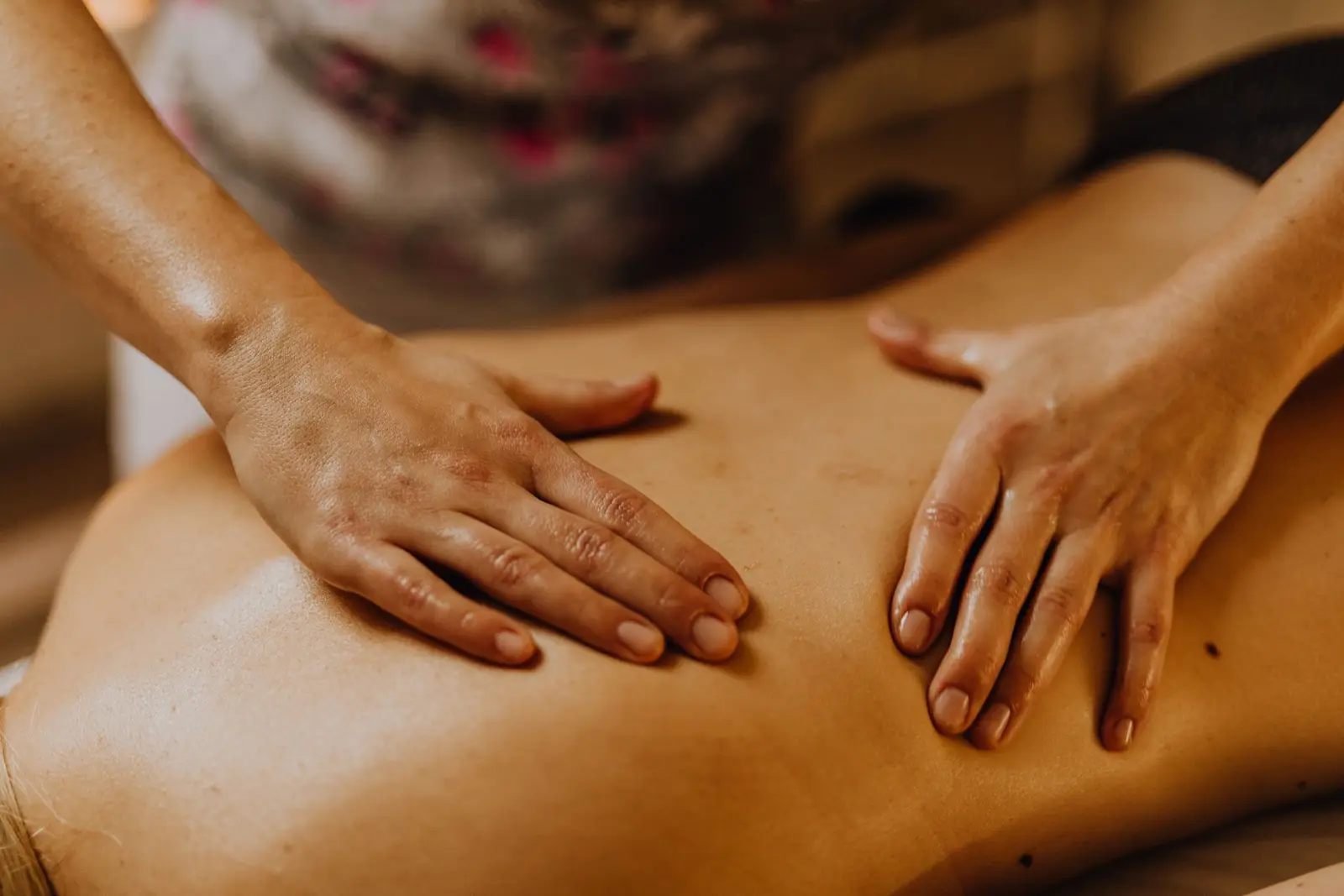
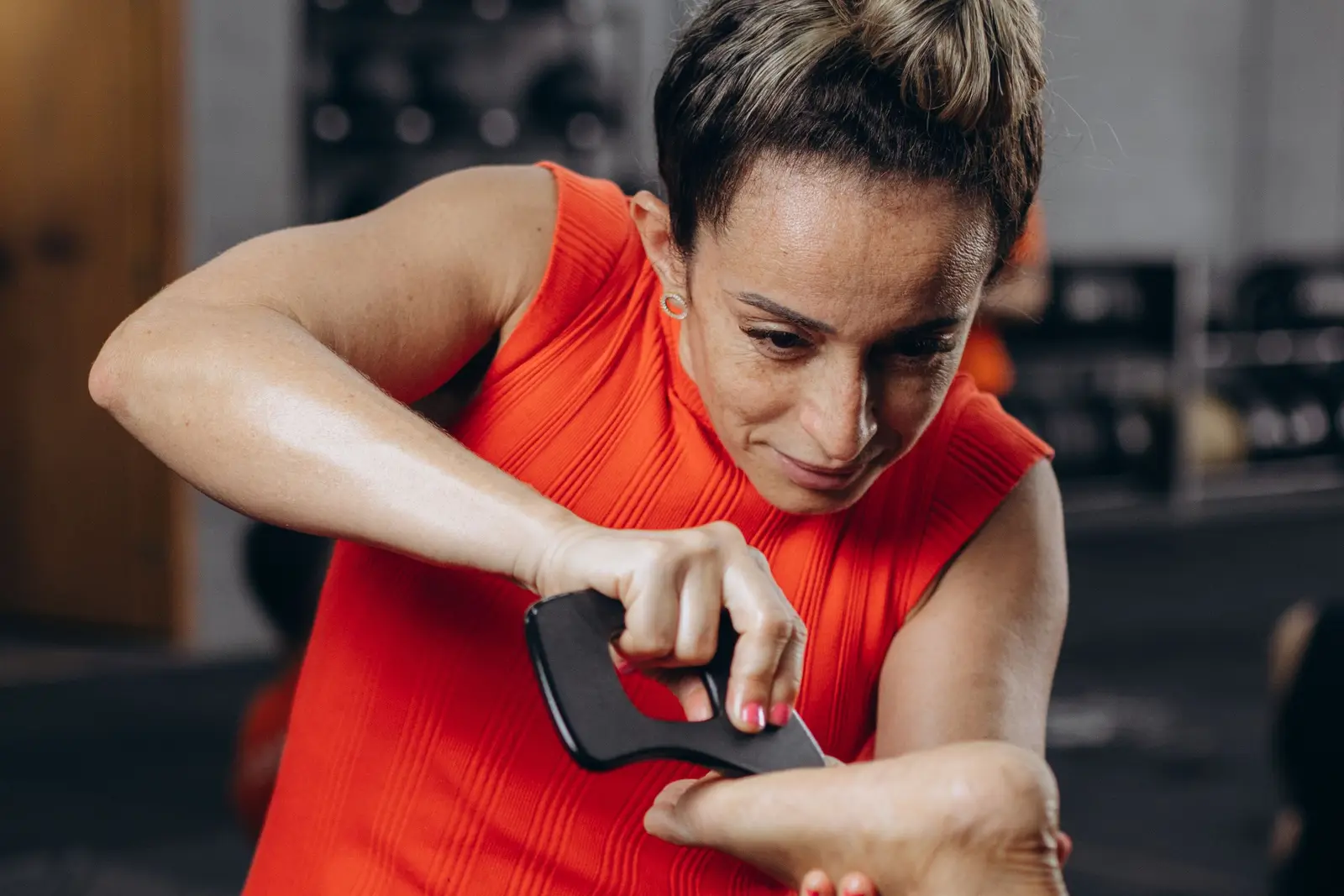
Soft tissue scraping is a hands-on technique that uses smooth, shaped metal tools instead of fingers to work on muscles, tendons and fascia. Fascia is the thin connective tissue that wraps around muscles and organs. The formal name is instrument-assisted soft tissue mobilization, or IASTM.
Our previous website described two styles. Stripping uses a longer bar to work along large muscle groups like the thigh or back. Scraping uses smaller tools on smaller muscles, tendons and areas near joints.
Why use a tool instead of hands?
The edge of a tool can apply focused pressure and can make it easier for the clinician to feel areas that seem tight or gritty. It also saves the clinician's hands during longer sessions. That said, the tool is just a way of applying pressure. It is not a different kind of medicine.
Does soft tissue scraping work?
Research suggests it can help with pain in the short term, but the evidence has limits. A 2025 review of 11 randomized trials found moderate-certainty evidence that IASTM reduced pain and low-certainty evidence that it improved function. The clearest results were in people with ongoing neck pain and headaches that start in the neck.
Older reviews were less convinced. A 2016 review of seven trials found mostly small or unclear effects, with some short-term gains in joint range of motion. Several studies have also found that scraping does about as well as other standard hands-on care, not better.
| Question | What the research says |
|---|---|
| Short-term pain relief | Moderate-certainty evidence of benefit |
| Better daily function | Low-certainty evidence of benefit |
| More range of motion | Short-term gains in some studies |
| Better than other manual therapy | Not shown |
| Breaking up scar tissue | Not proven in people |
The honest summary is that scraping is a reasonable option for some muscle and tendon pain, especially combined with exercise. Results vary, and it should not be sold as a fix on its own.
What conditions is scraping used for?
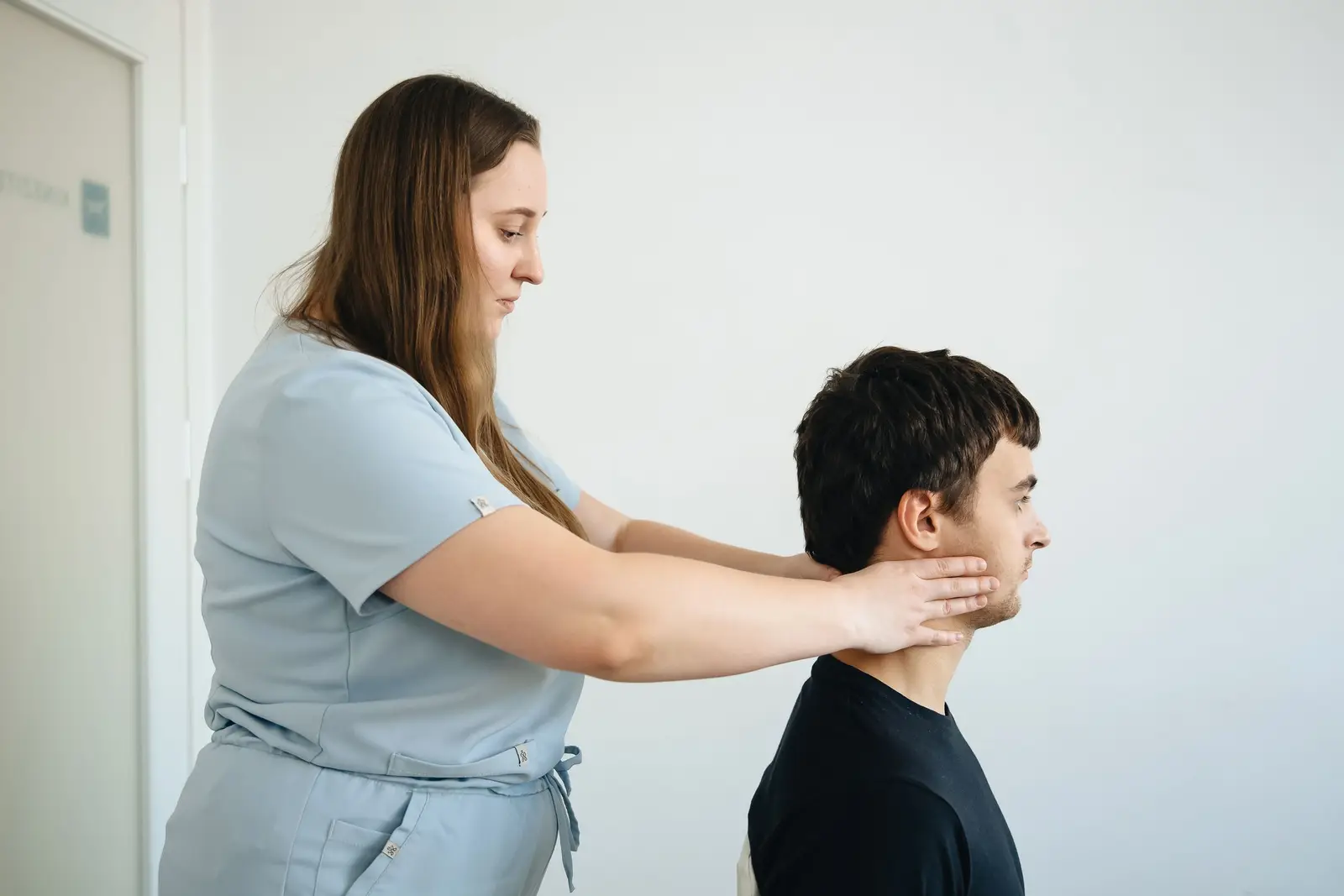
We consider scraping for muscle and tendon problems where tight, sore soft tissue seems to be part of the picture. Common examples include neck pain, low back pain, elbow tendon pain from gripping, heel pain from plantar fasciitis, and stiffness after a strain.
It is not the right tool for nerve pain that runs down an arm or leg, a fresh injury with heavy swelling, or pain that might come from a fracture. Those need a different plan or a referral.
What does a session feel like?
Most sessions take a few minutes per area as part of a longer visit in our Dallas office. A light lotion goes on the skin so the tool glides.
- We check how the area moves and where it feels tender.
- The tool is stroked along the muscle or tendon with light to firm pressure.
- You may feel scraping, warmth and some discomfort, which should stay tolerable.
- We recheck movement and pain, then usually add stretches or strengthening.
Redness is expected. Small red dots or mild bruising can appear and usually fade in a few days. Tell us if you have pain that feels sharp or lasts more than a day or two.
How does scraping fit into your plan?
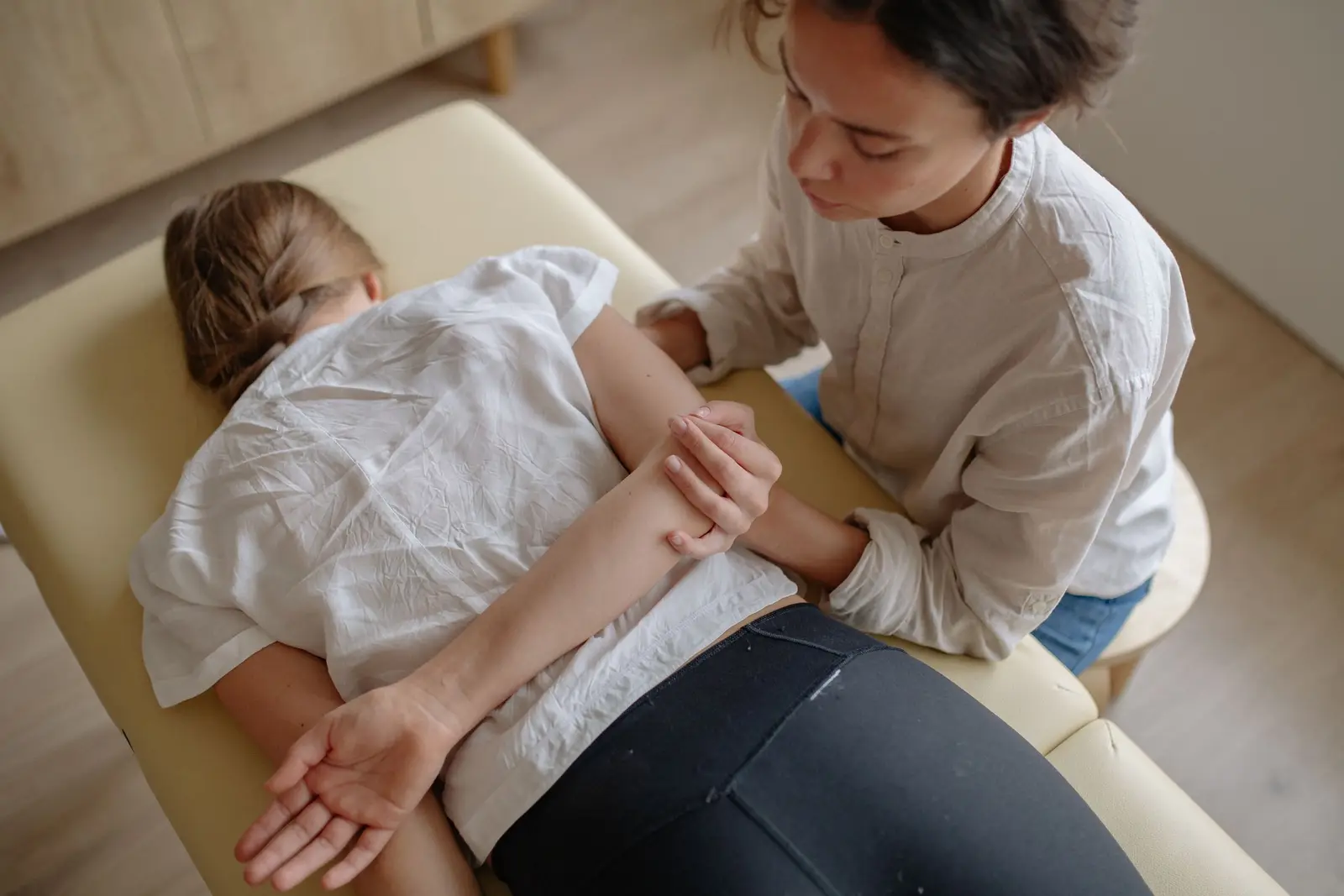
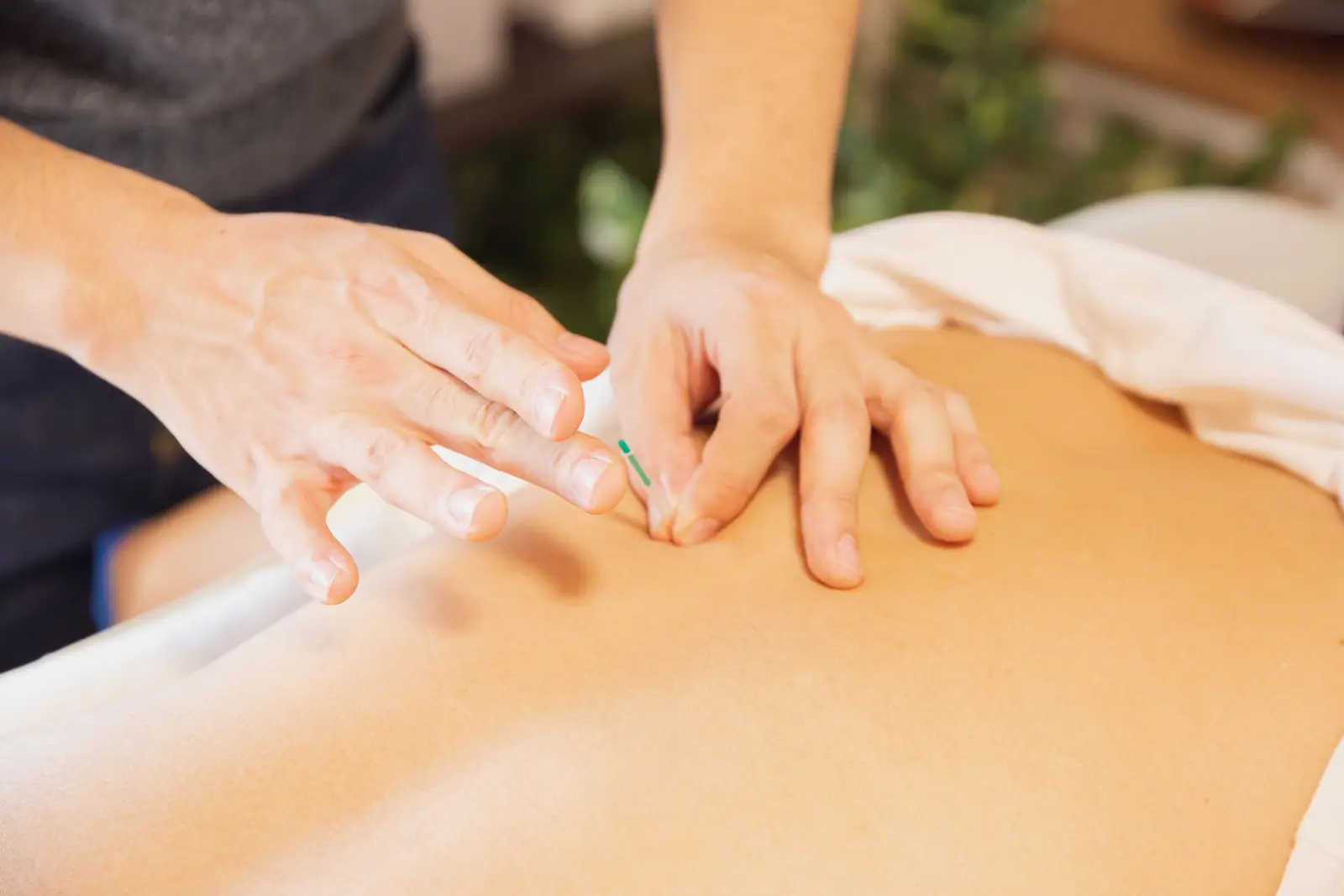
Scraping is most useful as a warm-up for the work that makes changes last. That usually means exercise from physical rehab, and sometimes chiropractic adjustments, medical massage or dry needling.
What if it is not helping?
If pain and movement have not improved after several visits, the plan should change. That might mean a different technique, more focus on strengthening, imaging, or a referral to a physician for further testing.
Conditions this is used for
Frequently asked questions
They are related. Graston is a trademarked brand of instruments and training for instrument-assisted soft tissue mobilization. Gua sha is a traditional East Asian practice that also scrapes the skin. Our previous website described two styles, longer bars for stripping large muscle groups and smaller tools for scraping smaller areas. The general idea is the same, but tools and techniques differ.
It often leaves temporary redness, and some people get small red dots or light bruising, especially on the first few visits. These marks usually fade within a few days. Treatment should not be pushed to the point of heavy bruising. Tell us if you bruise easily or take medicine that affects bleeding.
That is a common claim, but it has not been proven in people. Researchers think the benefits more likely come from changes in how the nervous system senses the area, small shifts in blood flow, and how tissue responds to pressure. What matters most is whether your pain and movement improve over a few visits.
Studies often use a few sessions a week for several weeks, but there is no single standard. If you are not noticing a change in pain or movement after a handful of visits, the plan should be reviewed. Scraping is usually paired with home exercises so the gains last.
Sources
- Tang et al. 2025: IASTM for pain and function in musculoskeletal disorders, meta-analysis (PubMed) (opens in a new tab)
- Cheatham et al. 2016: The efficacy of IASTM, a systematic review (PubMed) (opens in a new tab)
- Seffrin et al. 2019: IASTM systematic review and effect-size analysis (PubMed) (opens in a new tab)

This page is general education, not medical advice. It cannot replace an exam. Results from any treatment vary from person to person.