The short version
- Neuropathy is a symptom of many different problems, including diabetes, vitamin B12 deficiency, alcohol use, chemotherapy and autoimmune disease.
- Treating the cause, such as managing blood sugar, is the most important step and needs a physician.
- Supportive care like balance training, strengthening and foot protection may improve function and lower fall risk.
- No hands-on or device treatment has been shown to reverse nerve damage, so be cautious of any program that promises it.
What is peripheral neuropathy?
Peripheral neuropathy means damage to the peripheral nerves. These are the nerves that run from your brain and spinal cord out to your arms, legs, hands, feet and organs. When they are damaged, the signals they carry get garbled or lost.
Symptoms depend on which nerves are affected. Sensory nerves cause numbness, tingling, burning or sharp pain, often starting in the toes and feet. Motor nerves can cause weakness, cramps or muscle shrinkage. Autonomic nerves, which control things like sweating, blood pressure and digestion, can cause dizziness on standing or stomach problems.
Why does neuropathy cause falls?
Your feet constantly send your brain information about where you are standing. When that feedback fades, balance gets harder, especially in the dark or on uneven ground. Weakness in the ankles adds to the problem. This is one reason supportive care focuses so much on balance.
What causes peripheral neuropathy?
Neuropathy is not one disease. It is a result of many different problems, and the cause shapes the treatment.
| Cause | Examples |
|---|---|
| Metabolic | Diabetes (the most common cause in the U.S.), kidney or liver disease, thyroid problems |
| Nutritional | Low vitamin B12, too much vitamin B6, heavy alcohol use |
| Medications and toxins | Some chemotherapy drugs, toxin exposure |
| Immune and infection | Autoimmune diseases, shingles, Lyme disease, HIV |
| Pressure on a nerve | Carpal tunnel syndrome, nerve root pressure from a disc or narrowed spine |
| Inherited | Charcot Marie Tooth disease and other genetic conditions |
Some of these causes can be treated. Getting blood sugar under control, correcting a vitamin deficiency or stopping a toxic exposure can slow the damage, and nerves sometimes recover. That only happens if the cause is found.
How does our clinic approach neuropathy?
At our Dallas clinic, the approach starts with finding out what is behind your symptoms, then building supportive care around the medical plan. Our previous website listed peripheral neuropathy treatments without details, so here is how we describe it plainly.
- History and exam. We ask about diabetes, medicines, alcohol, past cancer treatment and family history. We test sensation, reflexes, strength and balance.
- Medical evaluation. Neuropathy needs a physician's workup, which may include blood tests and nerve studies. Our clinic physician, Dr. Hector Molina, MD, can see you, or we coordinate with your own doctor.
- Checking the spine and joints. Some symptoms come from nerve pressure, such as a pinched nerve from a disc, spinal stenosis or carpal tunnel syndrome. These look different from neuropathy on exam and are handled differently.
- Supportive therapies. These aim to improve function and safety, not to reverse nerve damage.
Which supportive therapies may help?
Supportive care may help you move, balance and function better while the medical cause is being treated. The evidence for most of these is limited for neuropathy itself, and results vary.
Balance and strength training
Exercise is one of the best-supported steps for people with neuropathy. Through physical rehab, we work on balance, ankle and hip strength, walking and safe ways to get up from a fall. Better strength and balance can lower fall risk.
Light-based therapy and other modalities
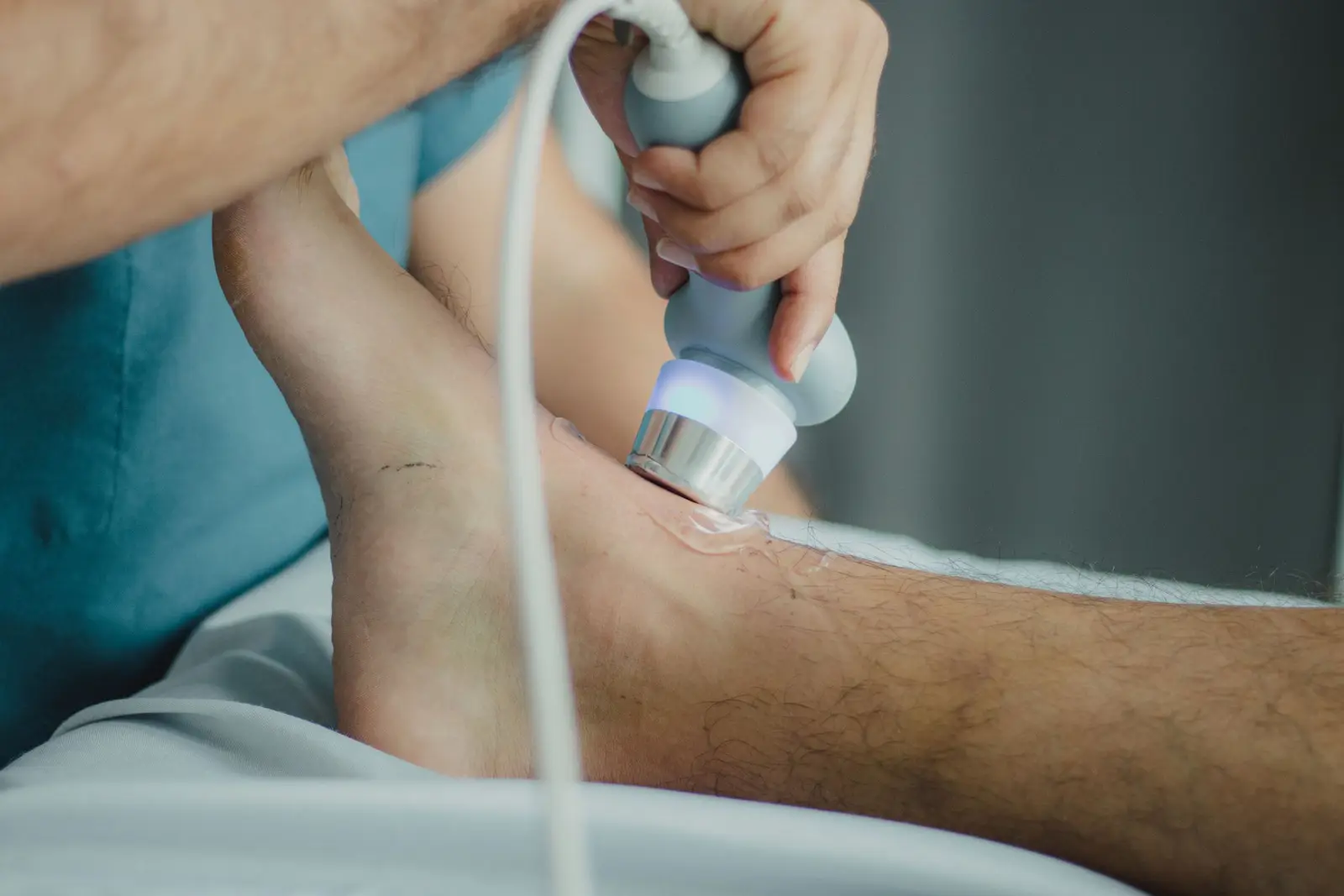
Some clinics use laser therapy for neuropathy symptoms. Research on light therapy for neuropathy is small and mixed, and it has not been shown to repair nerves. If it is part of your plan, we set clear goals and stop if it is not helping.
Care for nerve pressure from the spine
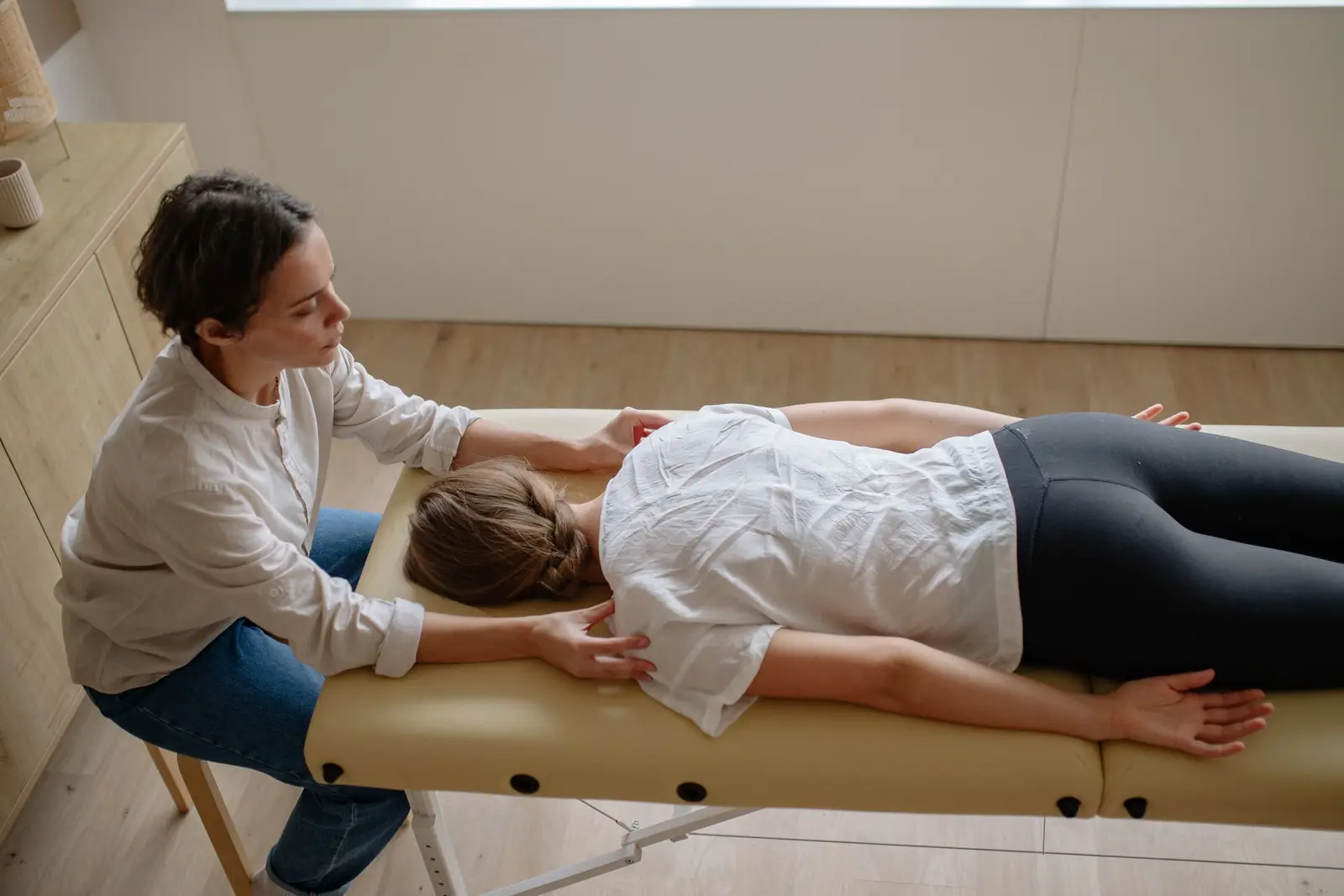
When leg symptoms come from a pinched nerve in the low back, such as sciatica, spine-focused care like adjustments or decompression may be considered. That is a different problem from diabetic neuropathy, which is why the exam matters.
How does weight and blood sugar fit in?
For people with diabetes, keeping blood sugar, blood pressure and cholesterol in a healthy range is one of the most effective ways to prevent nerve damage or keep it from getting worse. Not smoking, limiting alcohol and staying active help too.
For some patients with type 2 diabetes or excess weight, our physician may discuss medical weight loss as part of the bigger picture. Daily foot checks, good shoes and regular foot exams round out the plan.
Conditions this is used for
Frequently asked questions
No treatment from a chiropractor has been shown to reverse nerve damage from diabetes or other medical causes. What we can do is look for nerve pressure from the spine or joints, help with balance, strength and mobility, and coordinate with your physician. The cause of neuropathy has to be found and managed medically, which is where real progress usually starts.
Diagnosis usually starts with a history and a neurological exam. Blood tests can look for diabetes, vitamin deficiencies, thyroid or kidney problems and infections. Nerve conduction studies and electromyography, often called EMG, measure how well nerves and muscles work. Imaging or other tests may be added depending on what the exam shows.
Some small studies have looked at light-based therapy for neuropathy symptoms, with mixed results. It is not a proven treatment for nerve damage. If it is considered as part of your plan, we will explain that the evidence is limited, set clear goals, and stop if it is not helping you function better.
Check your feet every day for cuts, blisters or redness, especially if feeling is reduced. Wear well-fitting shoes and socks, and avoid walking barefoot. Test bath water with your elbow or a thermometer, since numb feet cannot sense heat well. If you have diabetes, keep up with regular foot exams and blood sugar care with your physician.
Get urgent medical care if weakness or numbness spreads quickly over hours or days, if it starts in the legs and moves upward, or if you have trouble breathing or swallowing. A foot wound that is red, swollen, draining or smells bad also needs prompt medical attention, especially with diabetes.
Sources

This page is general education, not medical advice. It cannot replace an exam. Results from any treatment vary from person to person.